Website here- https://www.scottishfilmmakingnews.com/camera-photography or transcript below here:
I was interviewed by Pete Carroll for his great website Scottish Filmmaking News, discussing filmmaking, cameras, DIT and a lot of other ramblings:
PC: You’ve been in the business now for some time, what got you into it, was it Photography or a love of film that started the fire ? Did you start out on set, or go to college/Uni ?
I’ve always been a film fan. I grew up in the early 80s and although we were not well off by any means we did have a video recorder very early on. People easily forget how much video changed peoples viewing habits then and allowed access to films they’d likely never would have seen otherwise, especially if you were from a small village and not near an art house cinema in London. This opened me to seeing some pretty strange films for a young child, which probably explains a lot about the films I make now.
Unfortunately we didn’t have a VHS, nevermind a Betamax. My dad, for unknown idiosyncratic reasons bought an obscure third format called V2000. While my friends got to see Raiders of the Lost Ark, Jaws and so on we never had the chance to watch these at home because of this machines limited titles. Some enterprising folk somewhere though seemed to manage to dig out some ‘films’ for it – the usual video nasties but mostly deranged and seriously obscure un-categorisable stuff that I’ve never seen or heard of since. The man in the shop (and to be fair my dad too) luckily seemed pretty happy to hire kids some creepy Czechoslovakian cartoons that seemed to make up the majority of what was available but more importantly for young kids the more exciting sounding Zombie Lake or Nightmares in a Damaged Brain. The cartoons were more frightening actually, or maybe I’d just become so desensitised to the video nasties it just felt like that. Nobody seemed that fussed about any of this actually until the Daily Mail got themselves involved and tried to ban them all, and that was the end of V2000. Or maybe it was just that parental control was more relaxed in the village where I stayed. One big film that was available on V2000 however was An American Werewolf in London and I became obsessed with it and I’m still a massive fan of it today. Like a lot of filmmakers from my generation I have a big love and nostalgia for 80s films, it’s just that for me it’s the more stranger ones rather than Ghostbusters or Teen Wolf.
Years later, while staying with a flatmate who was a film student I started to learn a little about filmmaking from him. We’d also obsessively watch films as we stayed next door to a fantastic video shop which would categorise their titles by director unlike the local Blockbusters which led me to understand a film was more than just who starred in it. It felt exciting having a new world opened up to you. This all led me to gain a pretty good knowledge of cinema history beyond just the 70s Italian Horror films I’d known. We’d sometimes watch up to 7 films a day and could easily watch 20 films a week (which meant not going to college much). In a year I’d gone from not really knowing much about movie history to having seen everything I could find on French and Italian New-Waves, 50s, 70s America and so on.
In terms of how I got involved directly with the film industry it was really down to luck and tenacity. Our school didn’t even have a video camera far less a media course so any thoughts of having a career in film didn’t really seem possible. When I was younger I used to improvise by making patterns and sounds on an 8-bit computer and recording them onto a VHS video recorder and playing about, making effects. Not very high tech, or very good but it was the closest I could manage to making some sort of film. It really was fantasy land to get into filmmaking. Many years later, by chance an unemployment scheme got me involved with a community video company in an Edinburgh council estate (now called SEE) who gave me a fantastic grounding in guerilla filmmaking – social and political documentary and micro-budget feature filmmaking. I got to try a bit of everything (including two machine editing on U-Matic) and pretty much everything I’ve ever done later is still rooted from my time there. It gave me a sense that film could be something more than just entertainment.
After that I just kept on trying to get work as a camera trainee as I wanted to see what it was like working on bigger and more mainstream productions. It wasn’t easy and was very slow but I gradually ended up meeting a lot of good people and learned a completely different, more formal and structured way of working. It was tough at first going from doing a bit of everything yourself with small teams onto large crews where you’d just make tea and clean things all day but in hindsight it was an important learning process. And it was great to be able to observe very experienced people and the very different approaches people have to working. I was happy just being involved, getting to know all about physical film, how laboratories work and the politics involved has been essential to what I do now. I suppose an understanding of production politics and highly structured disciple were the two important missing elements from my first steps into making films. Really, learning the politics of how the film industry operates has been the most important thing I’ve ever learned actually, and unlike nearly every other aspect of filmmaking it unfortunately only comes from experience.As well as Camera/DOP, Imaging Consultancy, Processing etc..you also Direct and Produce. Do you have any preference for either Directing or dealing with the digital content from that process ? I would imagine having exposure to both fields actually aids both ? What is your default talent area, what’s at the heart of what you do ?
I try and separate what I’d call my day job from what else I do with filmmaking. The film industry, unlike most other industries is very suspicious of people who don’t follow one continuous, single career path. Being a jack of all trades is pretty much a death knell on a CV. For a sustained career in the larger and established film industry it really does make sense to stick to one discipline. Crew mostly do enjoy training up new recruits but only when someone shows a level of dedication to one path, and that’s understandable. I’d always recommend that everyone following this route into the film industry but also do their own thing outside of the established industry. 1) it’s fun, 2) it helps you in your ‘day job by learning from both ides. Just don’t go around telling your boss you’re really a producer when you’ve been employed to clean cables.
I’d always originally wanted to be a DP and followed that path for a long time. I’d shoot friends projects, using what I’d learned from others in the day job who I’d been working with. When I was due to step up from a film loader to focus puller the whole industry changed. I did a couple of features and about 20 commercials as a focus puller but really wasn’t that good at it if I’m being honest. The change from film to digital suited my skill base, came along at the right time and I just pursued that. I used to be a film print viewer for festivals so everything I’d learned just seemed to join up.
Directing was never really an ambition at all. I wanted to see some films which hadn’t be made and in the end got impatient and decided to make them myself. DP-ing them myself was simpler and cheaper. As for producing, it’s not anything I have a great ambition for other than a means to help create more small indie feature films. I still see myself primarily as a crew member with my own digital consultancy business but some folk have funded me to make features, shown them on tv and in the cinema so I suppose I can get to call myself a director too.
PC You’ve worked with a lot of well known names within Filmmaking (Ken Loach, Danny Boyle, George Clooney), who has inspired you and why ?
You learn from everyone really. I find everyone’s process fascinating as everyone tends to get similar results by very different means. I’m a big fan of refining workflows and working out ways to streamline your day job and it’s good to pick up tips form others. Too many people just accept the way things are rather than trying to change them.
I tend to take my inspiration from what actually appears on the screen – and how it gets there from non-film folk but funnily enough, those 3 directors you mention are the filmmakers who’ve inspired me most (along with Chris Doyle). Probably coming from my background I’ve always found the glitzy world of filmmaking to be a massive turn-off. I just don’t get it. I hardly ever go to any schmoozy events and loathe the fawning over of celebrities. I love how Ken Loach works and he seems to also have a disdain for the red carpet. He uses community centres for unit bases rather than the usual ‘circus coming to town’ buses and trailers and appears to democratise the process to as great an extent as can work. Danny Boyle has a completely unique drive that I don’t think I’ve ever seen before and it’s really inspiring. He can work on a main unit and when that finishes he will join the second unit. He’s a true leader and it just makes you want to work hard for him (although cyncially it is also a smart and clever way to attain that respect). All his crew seem to be chosen with great care from how they will all work together and for the greater good of the end result. George Clooney, and Steven Soderburgh were also very inspiring. I love and get that they will work on a carefully chosen mainstream production in order to fund their smaller more difficult to sell productions. Chris Doyle is more like an artist than a filmmaker and his energy really changes a shoot dynamic, as well as being a fantastic cinematographer of course. He does things differently and it works when on screen. The process is the most important part of filmmaking for me, it’s something I enjoy and put a lot of effort into creating the right atmosphere. Every film is approached as an overall project, not just the end result as I believe the process always appears on screen in some form. My main inspirations though are music people like Bill Drummond (from The KLF), Tony Wilson, music videos by the Jesus and Mary Chain (and Douglas Hart’s videos especially), Stevo, Malcolm Mclaren, especially Andrew Loog Oldham and those who can remain principled when working in the mainstream. Value yourself.
PC: When you first started your career, what were your biggest challenges and how did you deal with them ? Did you just plough through and learn as they came along or did you have guidance or mentors to ask for support ?
Lots. It’s very difficult to make a year round living wage when you start so I had to find a very flexible temp job and eventually the filmmaking became a full time job after many years. Without other means or parents to support it can be extremely difficult for most ordinary people to have a career in the film industry and I think it’s a serious problem. We need to find ways to support those from less well off families, single parents and also for those from backgrounds where they need extra support finding the confidence to pursue a filmmaking career. Without this we end up with boring, safe and predictable films and that’s crazy and damaging. I find it really frustrating that people don’t put the effort into finding new voices and just peddle the same agenda. It’s boring and my opinion, many cases are just people taking the easy option so they can have a simple life and good career without helping the industry they are in. The film industry has to take risks and we’re not doing enough of it. Pandering to predictable funding and old working methods is holding us back. I had high hopes for the new screen unit but although some efforts are being made it does feel the ‘one stop shop’ is just what we already had. More needs to be done to find new voices and new ways of doing things.
For very new crew it can be intimidating not knowing the social politics of film sets, often full of unwritten rules which you’d never be told at film school. Strange phrases, words and ways of working that unfortunately only experience can help with. I definitely think more effort should be made in filmschools to pass these on.
PC: With your experience in the visual aspects, photography/camera and formats, is it easier now to manage projects digitally, from the time before BD (Before Digital). Is it a more efficient realm to work in now, with better timescales than it was when you first started out ?
Generally yes. It’s not really been a slow process like the 100 refinement of film, it was a complete and sudden paradigm shift and is still a constantly changing one. Not only for camera and editing technology but with the internet too. Young kids are now able to gain access to incredibly high quality, cheap equipment and more importantly have access to online tutorials and other filmmakers. And distribute their film. This is something that’s never happened before. It’s moved so quickly in such a short space of time that a large majority of ‘old guard’ are completely unaware of how high quality some of these films are. 15 year old kids are making better films than some of the funded shorts from 15 years ago, in all respects. Some of Scotland’s most exciting films, and highest quality films are coming from young kids, and often those from difficult backgrounds. SEE are doing some fantastic work through BFI and they put a lot of more experienced filmmakers (and funders) to shame. This is where a lot of the future of Scotland’s filmmaking talent is coming from and where more focus should be but it’s very difficult to bring this to the forefront as politically there are conflicts of interest with others.It feels like the Francis Coppola ‘fat girl from Ohio’, or whatever it was is finally coming to reality. A worry though is this new level of access has created so much noise that we lack appropriate filters to dig out this talent. Rather than making more effort most people seem to just ignore and carry on as before.
Of course there is a massive downside to a digital world and that’s the actual monetary value of the film industry for filmmakers. I’m always amazed at how re-active the filmmaking community is compared to what is seen in the music industry. Almost every technological change in film which has affected economics has already happened in the music industry a few years previously . Rather than acting upon this and planning (for the inevitable) people seem to just hold off until it reaches them. Again it’s being blinkered and safe. There are some scary business models coming ahead. Obviously Napster was the big warning sign which opened the floodgates but Spotify has in many ways decimated the music industry more with unsustainably small percentages paid for a stream rather than larger amounts which were traditionally paid per radio play. (0.06c compared to $40). Artists can’t compete and end up changing career. New voices don’t even try. Netflix has a potentially devastating business model. While it is currently at the forefront of a golden age of TV – and it genuinely is exciting as we have completely changed what we see and how we see it – but it feels like an unsustainable long term business model. Amazon ran at a loss for years – until everyone else went out of business and could no longer compete. We need to tread carefully. My main worry though is new voices are trying to compete rathe than using the opportunity to develop something new and fresh.
Another downside is that it is difficult for everyone to keep up on this new technology. Everyone knew where they were with film as there was essentially one workflow. There’s a very real trend of people obscuring new technology as a dark art. It’s not. My theory is work with producers to help everyone understand. They benefit and you benefit.
PC: Technology advances month by month, if not week by week now, do you try and keep up to date with new tech and how do you make decisions on new purchases for new kit, read industry reviews etc ?
I do. It takes a lot of dedication to try and keep on top of changes. An awful lot of reading and research. Really, as I’ve already mentioned, our industry is reactive. The most exciting place for new ideas I find has always been indie filmmakers and not large organisations like Panavision or Kodak. Red, DSLRs, Black Magic : outsider, amateur filmmakers were all championing these new technological changes long before the industry at large took notice. I’m not smart but I do know that everything which will be eventually be used by the big industry is going to be found first on tiny forums for new filmmakers and not giant industry events. I managed to read about and use Red and DSLR cameras very, very early. It was amazing that a good 50% of the industry would be completely dismissive of it all. ‘that’s never going to happen’ was a common reply where others were ‘oh, tell me as much about this as you can’, it was a funny time. It was great for me but all I did was just read some forums by some young filmmakers looking to break into the industry via new kit and tried to work it into a more mainstream industry. There were a lot of arguments but proud I played a little part of this because outside of London, Scotland has had a digital camera infrastructure that’s been workable to international crews for a few years now.
PC: What’s your fav bit of kit at the moment, the go to tool for your work projects ?
The cliché is true that it is always the right tool for the right job. Usually it’s a case of the right tool being the best tool for the budget rather than the the most expensive one available.
PC: What data management systems do you use for workflows, projects ? and backup mechanisms ?
Data management has become quite complex. Pomfort, a German company who make LiveGrade and Silverstack are probably leading the way in data tools currently. Integration has always been a problem and they have introduced software which works incredibly well together and importantly across different formats. Red and a few other cameras have great metadata capabilities inbuilt – which is handy for very small productions but for larger productions there is a need to have a universal level of compatibility with other cameras and software. This is partly because, unlike just using a single laptop for everything many different departments use different tools for their different needs– in different places. An example is a shot being sent off to a VFX company and returned, or a specialist camera being used for a particular shot or second units in other countries. At the very final process you have to try and fit everything into the same world. LUTs have been used for some time now and they have opened up a massive creative new tool but like cameras there are many variations and can easily be lost. It’s important to understand how large productions work and for you to work within their infrastructure – not you dictating what you think is best. Again it is politics. Definitely meta data management is where current efforts are lying. Copying data now is pretty simple – anyone can back-up an SD card, the only difficult part is making this accessible to others and being able to do this consistently and repeatedly under pressure – that’s where the human element has to come in. Kit and software improves but common sense is always more important
PC: You’ve been involved in a multitude of high profile films/projects (Outlander, Trainspotting, Whisky Galore, Shetland, Game of Thrones to name but a very few), what were your most memorable times/projects and why ?
There’s a misconception that everyone wants to just work on the biggest and most well known productions and it’s how success is determined. I just don’t buy that at all. I backed away from pursuing ‘the big jobs’ because bluntly I didn’t enjoy them and I’m very happy doing what I currently do and I’m lucky in that I can mostly choose what I work on. Outlander is great as those in charge create a nice working atmosphere that I enjoy working in. I think it’s important to try and instil some sense of worth into what you do whether that’s helping get smaller and more interesting films made which personally gives me more satisfaction. It’s very easy to fall in to a trap and I found little satisfaction in large studio productions but it does work for some people. Most of my favourite times have been working with people I like. The process is a big part of a film for me, not all good films have been enjoyable to work on and not all enjoyable productions have been good films. Probably the earlier films were more memorable because everything was new and exciting – before I got old and jaded. The Jacket was great because, although relatively small the cast were exceptional, as were the producers. It feel like what you’d always imagined Hollywood was like. One of the first documentaries I’d worked on was exciting as I got to go to the Arctic, I’d never even left the UK before that. To be honest, most days just blend in to another now so memorable moments are usually when weird, strange, dangerous or unexpected stuff happens and you’re not allowed to mention them. Any advice I can offer is not to judge what you work on by budget or stars but if it satisfies you or adds worth to an industry.
PC: To summarise, what’s the process/chain of events from when film scenes are shot then onto their next location/talent area for processing ? What happens to the data, how is it transfered from film camera then onto say your working environment ?
It often depends on the size of the production, type of funding and who is involved technically. Many productions shooting in Scotland will be co-productions based in other countries which can mean editorial is also in another country too. That’s less of a problem now because the internet allows data to be sent anywhere quite quickly but it makes keeping track of where everything goes trickier.
Mid sized features or larger TV drama usually have an onset DIT now who acts as an onset Colourist, dealing with filters, remote iris controls/exposure and liaising/co-ordinating with the other teams regarding camera data/metadata. A second DIT/Data Manager will deal with the actual backing-up the cards from camera. Already at this stage there is separate metadata from all the grading instructions and the raw data recorded from the cameras so you need to be very careful that they match up. The technical aspect is pretty easy, you just need to have processes in place to make sure your paperwork is incredibly neat and organised. Onset CDLs and LUTs can dramatically change the appearance of a particular scene/shot. While you know what it looked like on a monitor somebody 1000s of miles away has no idea – and that’s the only really difficult part of the job – making sure that what the DP and Director see on set is what the editor sees in their suite and also what the exec’s so when viewing rushes. Almost looking the same is not good enough, you are employed to be as close to 100% as is possible and that exponential jump is difficult to achieve.
The colour meta data is often sent on a USB memory stick as a CDL with timestamps and other forms of meta data with each camera card. The Data Manager downloads cards using file verification software (based on insurance requirements which you have to organise), usually as a minimum onto two hard drives, but often now onto multiple RAID drives and later LTO tapes (used by banks and tax offices for extra security). Data is often hefty and cameras can often generate 5TB of data per day which means very, very fast drives are required. All of this infrastructure has to be carefully planned through testing and not as you go along. As I said, none of the technical stuff is tricky and could not be learned in a couple of hours but your workflow is.
The data manager can often be referred to as a digital lab operator if they create transcoded dailies (compressed versions of your master files) or the data can be sent onto drives to a dailies colourist working offset. Depending on the workflow the next step can be completed by an assistant editor or DIT, which is usually syncing sound and creating further compressed files to be uploaded onto secure servers for execs to view and comment on. The first set of transcoded data is either uploaded to the assistant editor/editor or send on small drives to the cutting room. And that’s it really, every job is different and involves variations of the above
PC: How do you see things happening in 5 years, with new tech coming, AI, new Green Screen tech etc..will it all become automated, will there be any Digital/Tech jobs as the technology advances ?
To be honest I think there’s far more important issues we need to address before we get to next level cameras and technology and that’s proper representation within our industry. We’re obsessed with advancements in technology and completely missing the point of what’s at the heart of filmmaking – different stories from different parts of society. And if we don’t address an equal balance of these missing stories soon no fancy bit of kit is going to help us grow as an industry. Until our filmmaking represents our society adequately we’re screwed. It’s shocking that in 2018 this is still mostly the case. The indie-filmmaking community is in someways the worst offender when it should really be the leading light.
I’ve seen plenty of stuff on forums and social media where grassroots filmmakers are coming out with stuff like ‘festivals should only be screening the best films regardless of sex, age, ethnicity or socio-economic background” or ‘funders should only be funding the best scripts or best filmmakers’ sent to them. It’s an easy trap to fall in to and I can understand this argument to a small extent when nobody funds you but really, and unsurprisingly this is mostly all coming from the cliché of white male filmmakers with an existing body of filmmaking experience. At its heart though their argument is all bullshit and systematic of a fear of their own abilities or a short sighted quick-fix-approach to growing a long term sustainable film industry at best. We need more stories, directors, producers, crew and all that encompasses filmmaking from an exact equal socio-economic demographic that makes up our country – females, race, sexual orientation and background. Anyone who says otherwise needs to seriously question themselves. Currently what we have is so far off the mark we all need to seriously take a hard look at ourselves to how we can all address this together.
If you’re good you’ll be fine and you don’t need to worry about people being given ‘unfair advantages’. They’re really not unfair advantages and you’ll get your time. We’ve got to think of the bigger picture of our filmmaking future. If you currently present this as an analogy to other forms of seeming lack of fair representation within the Scottish industry – an example being of London crew seen to be taking positions in large local based productions then viewpoints and perspectives might change. Nobody is born experienced. A small effort in giving people opportunities allows them to gain that experience. Otherwise you end up in a vicious circle.
Outlander gave Scottish crew the chance to work on a local large production at the expense of the easy and obvious choice of bringing in crew from elsewhere. That decision has massively changed the employability and skill base of Scottish crews who now have those skills on their CV. For the very, very short period when those skills were integrated that decision had paid off massively for the future of Scottish crews. If you complain about crew from elsewhere taking Scottish jobs and then say something like ‘if female filmmakers made better films then there would be more representation” then you need to seriously question yourself again.
There’s not a massive amount of actual skill difference between someone with years of experience on a local small scale production and someone with a few years on a large studio funded production. The difference is opportunities. All it took was for somebody to provide this opportunity to massively, and quickly grow an industry and we need to do this for the very real problem of current lack of representation in our industry. It will pay off for everyone and we should lead the way by giving everyone an opportunity which will eventually pay off for all of us. Everyone is capable of telling great stories and everybody should have the right to tell their story, currently opportunities are rare but they should be prioritised for a better future and to do that we – in the present – need to work on giving opportunities to achieve this.
PC: You Directed “Big Gold Dream”, the most excellent Documentary about the post punk scene in Scotland and Postcard Records, (as a musician, I loved it..) It took 9 years to produce ! was it a labour of love and are you a musician ? (if so, did that keep the fuel going to get it finished ?)
Thank you. Yes, I definitely came to it as a fan. I don’t think I could have sustained the effort put into it otherwise. It certainly took a long time and aged me more than I imagined. I once read a journalist discussing ‘talking head’ documentaries and saying they are simple to make: just invite the interviewees along and get them to sit down. If only it was that easy! Unless someone has tried to make a similar film with no money it’s difficult to describe how exhausting it is to make, and only got more difficult as it went on.
When we started the music documentary bubble hadn’t yet started, the only film that I really remember being similar when we started– and a huge influence on it was Made in Sheffield. As we went along the BBC made a film about Postcard Records which set us back again a little. But we still kept on going slowly.
Although 2006 was a while ago it’s hardly the dawn of cinema but technology was so different then and expensive for indie filmmakers. We had to save up just to do a few interviews to pay for the kit but as technology progressed it allowed us to purchase cheaper and better quality equipment ourselves.
It was an interesting experience in many ways actually, I don’t think anyone – and especially us ourselves originally thought it would amount to anything more than just a film for youtube. But when we knew it had been selected for EIFF, and at the same time would get a BBC screening we had to take a giant risk to allow it to be legally screened. It was a large leap of faith to sign documents to say we could deliver it when we had no money or funding to actually do it. But it paid off eventually.
I think it’s appearance at EIFF confused folk. I remember one producer taking me aside after it won the EIFF audience award and saying some of ‘the other producers’ didn’t think it was good enough to win. I just thought it was amusing and telling that they had to do this all because a tiny film won an award. It did seem to wind up a few people who carefully chose to ignore it. An important discovery I made was to realise that it doesn’t always suit everybody to do something on your own!
We mostly however did have fantastic support from a great majority of people without we’d never have been able to finish it. Mark Cousins, folk at the BBC and Andrew Macdonald; the Trainspotting producer were very gracious with their time and more. It just seemed to surprise us as much as it surprised others. It’s simplistic approach only made people question it more but I stand by this. People forget that documentary is often about telling someone else’s story, and you don’t have to always make it about you. Some people just didnt seem to think a film about punk music should be taken seriously. The List gave it a dreadful hatchet review but it became one of Sight and Sound’s Best of 2015 films, got reviewed in high street magazines, is screened as part of an Edinburgh Uni (and NYU) course and ended up inspiring a good many of those who at first ignored it to go out and make their own variation.
Really to me it is first and foremost a story about the importance of DIY culture. That young folk can go out and do their own thing and find success on their own terms without having to adhere to the establishment.
PC: Teenage Superstars is a follow on from BGD, how did that come about – What fueled that to be made, was it your love of the music/bands you love and/or a direct follow through from BGD and the success and reviews of it ?
It is and it isnt. If I’m in a contrary mood I’ll say it’s not. Really, Teenage Superstars is part of the same project called The Sound of Young Scotland. While we tried to have a different theme to it was all filmed at the same time. We decided we wanted to tell the story over two films so as to not have it full of soundbites.
PC: The music Docs you made have contributed to the history of modern music in Scotland, do you have any more plans for music related films/Docs ? say a Film Biopic ?
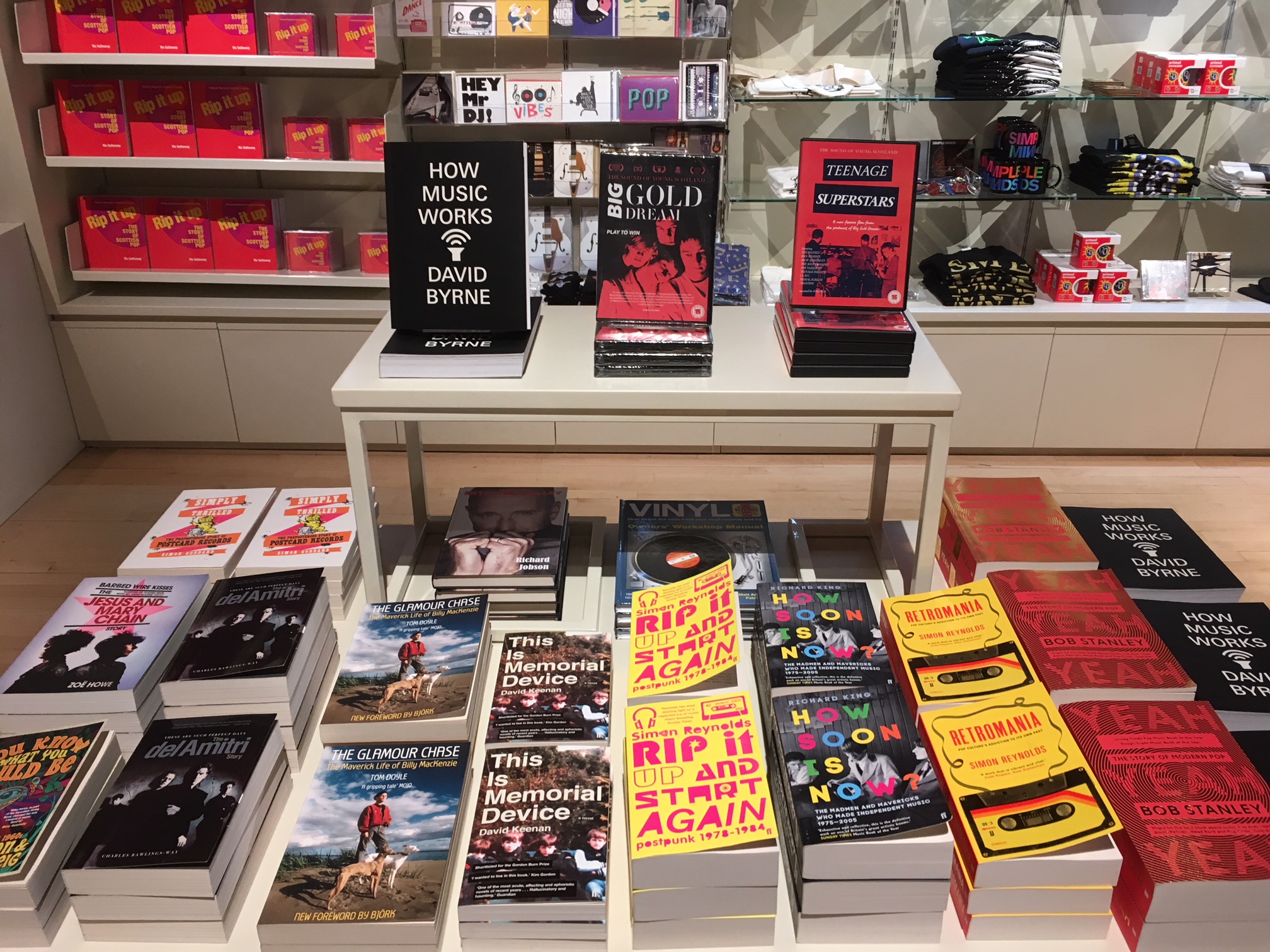
I’ve a habit of backing away from anything as soon as it feels like it’s part of something. There are A LOT of Scottish music docs coming out now but I’m happy. That’s all we wanted to do, highlight the music. I’m proud of it and it does feel nice that it’s inspired museum exhibitions, other tv shows and books but all we did was simply retell someone else’s story. It’s not our story, we didn’t do what the bands did so I don’t take any credit. I just wanted to give something back to Scotland. I think pop music is one of Scotland’s greatest cultural exports and as it inspired me I thought it would inspire others too. It felt crazy a lot of the stories had only been remembered by a few. I get emails every few days from people around the world saying things like ‘the people in this film made me want to go out and do something myself’.
I know it’s not for everyone and bizarrely is incredibly niche but some people do get what the groups achieved. As I say it’s the DIY mindset and I think it’s been lost and that’s what I wanted to show. It’s not just about wanting people to go and make Scottish music, it’s not even about Scotland or music. It’s confirming that you don’t have to ask anyone for permission to do what you want to do and it’s using that self ability in other forms of art or creativity.
PC: What are you currently working on ?
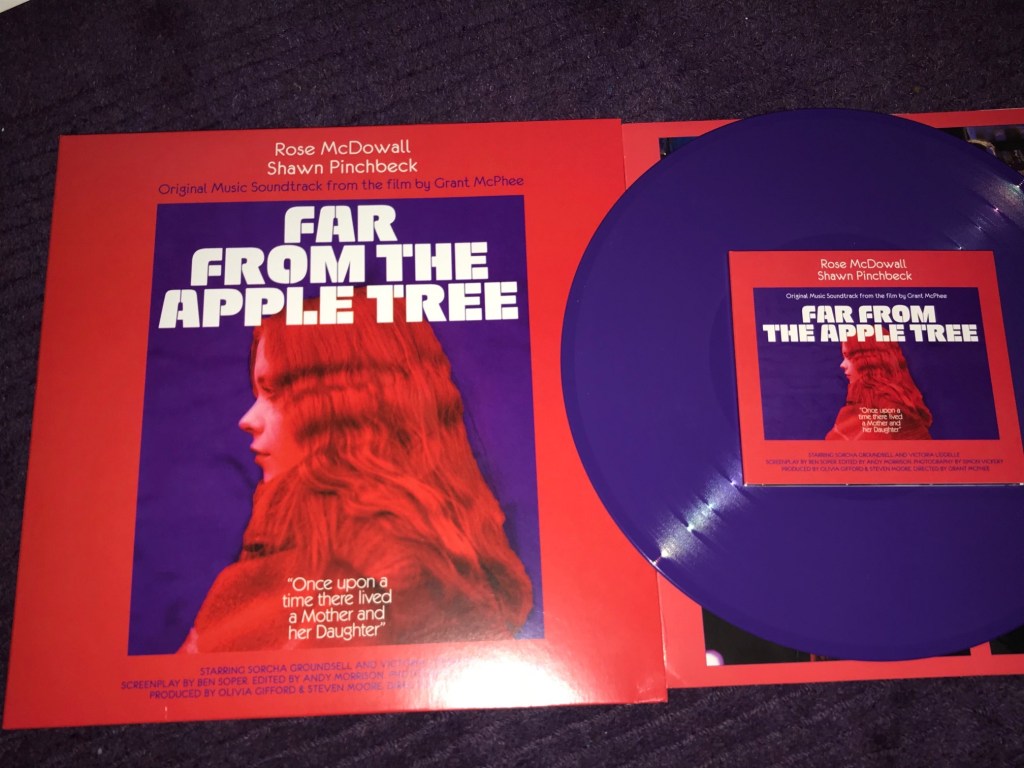
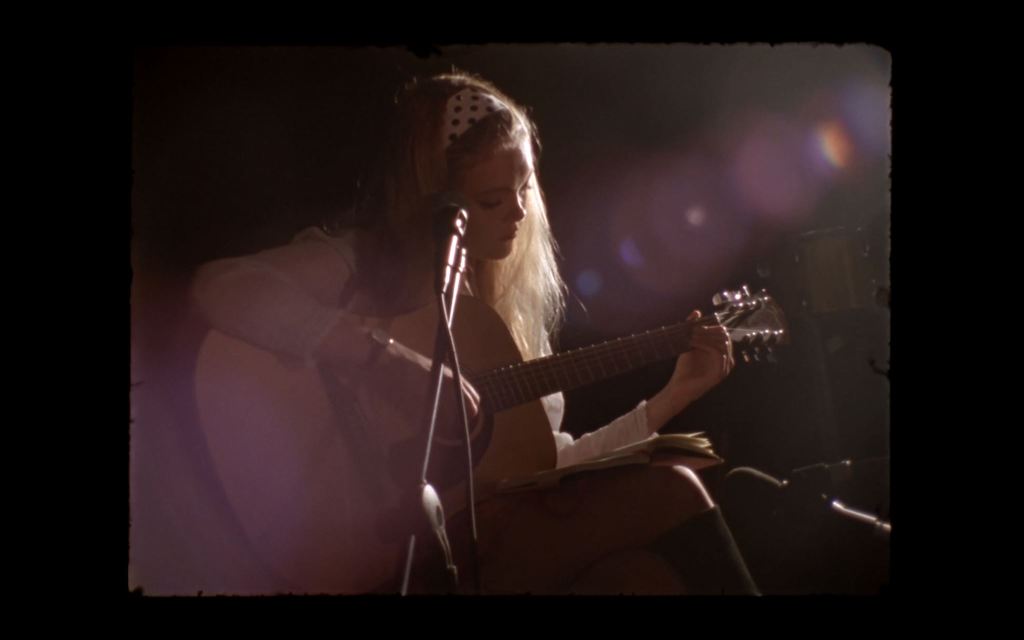
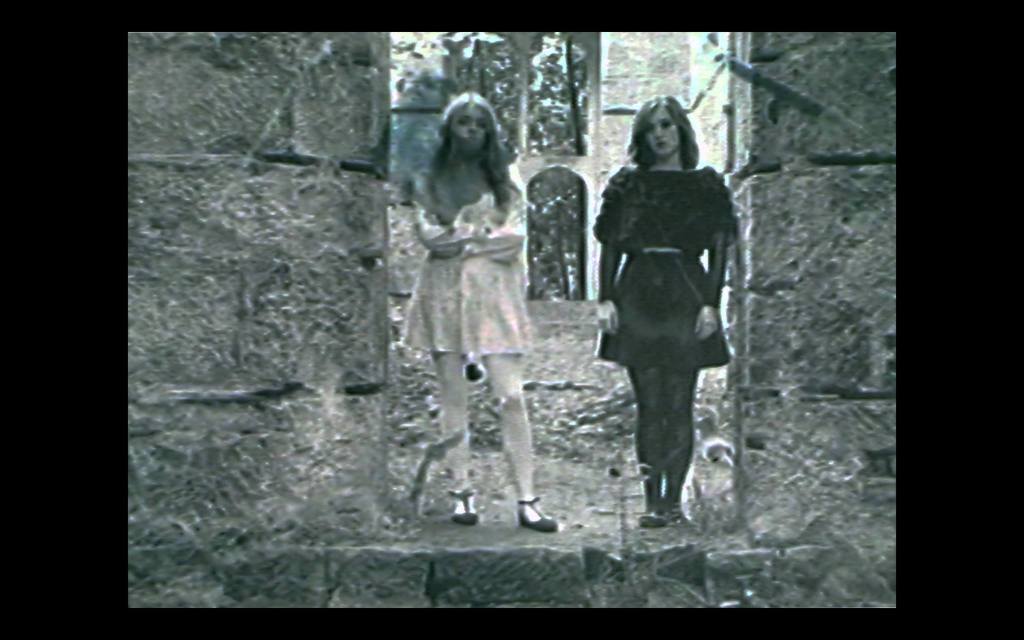
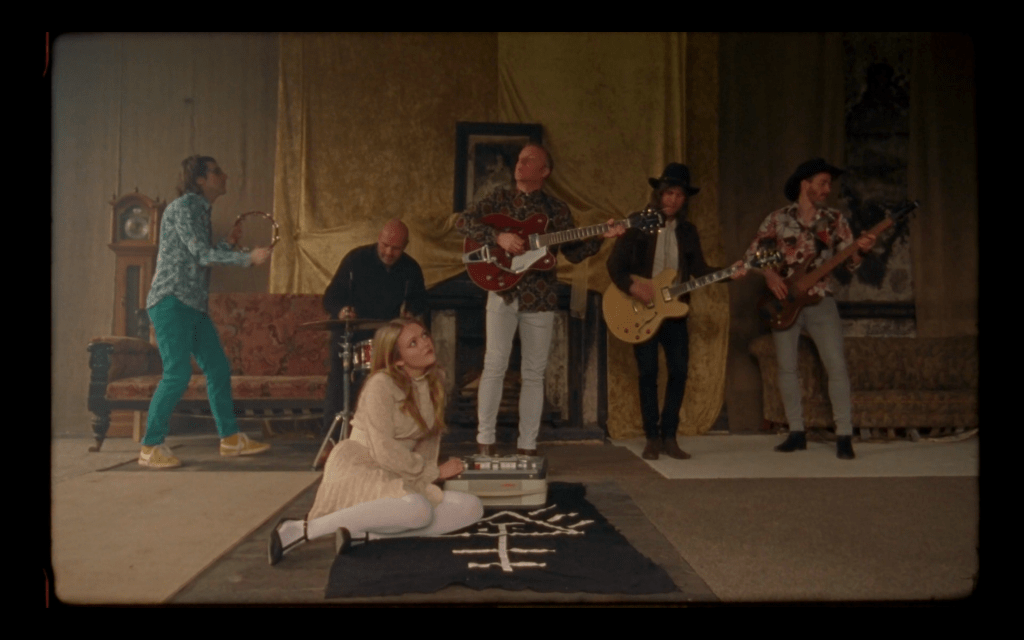
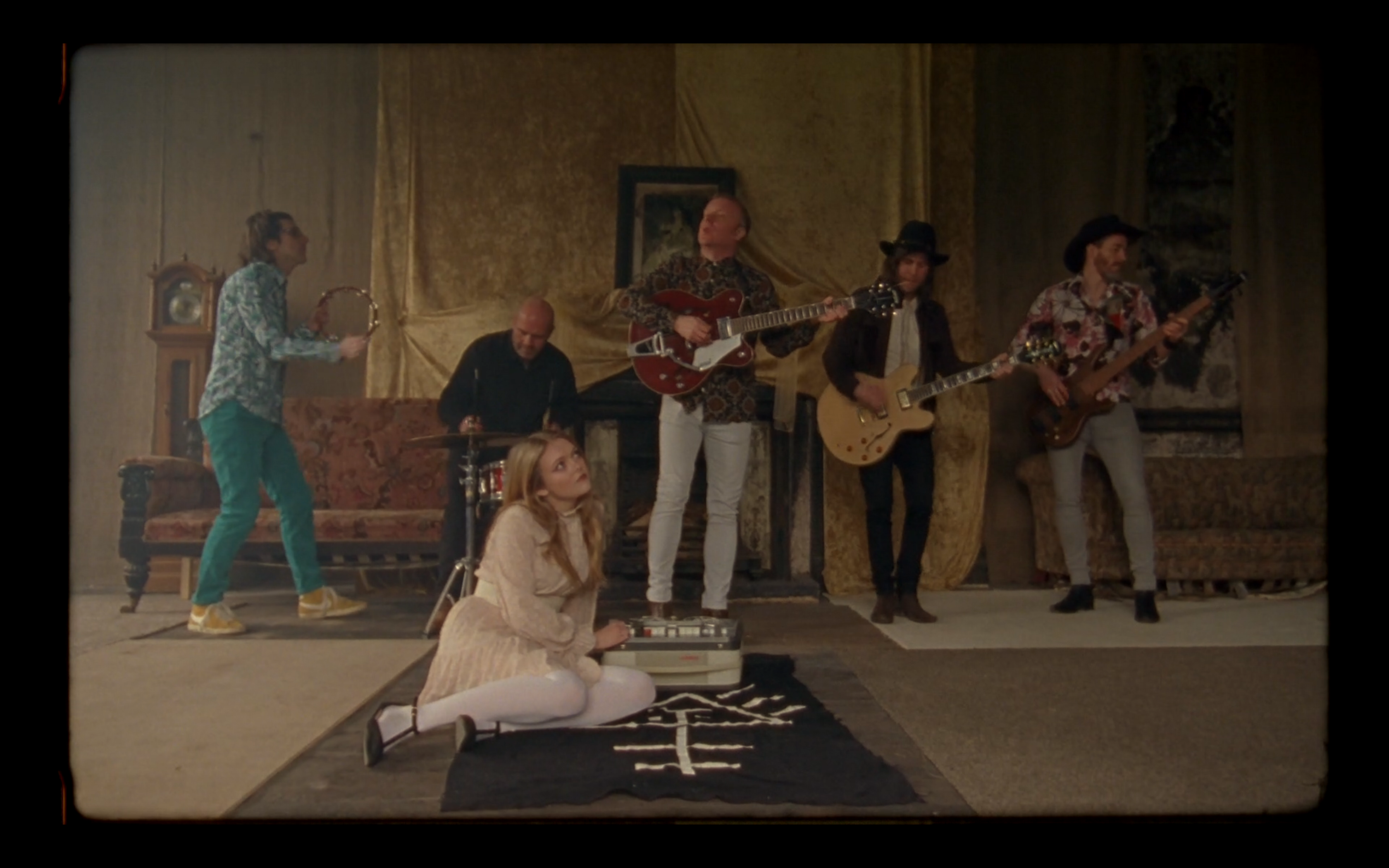
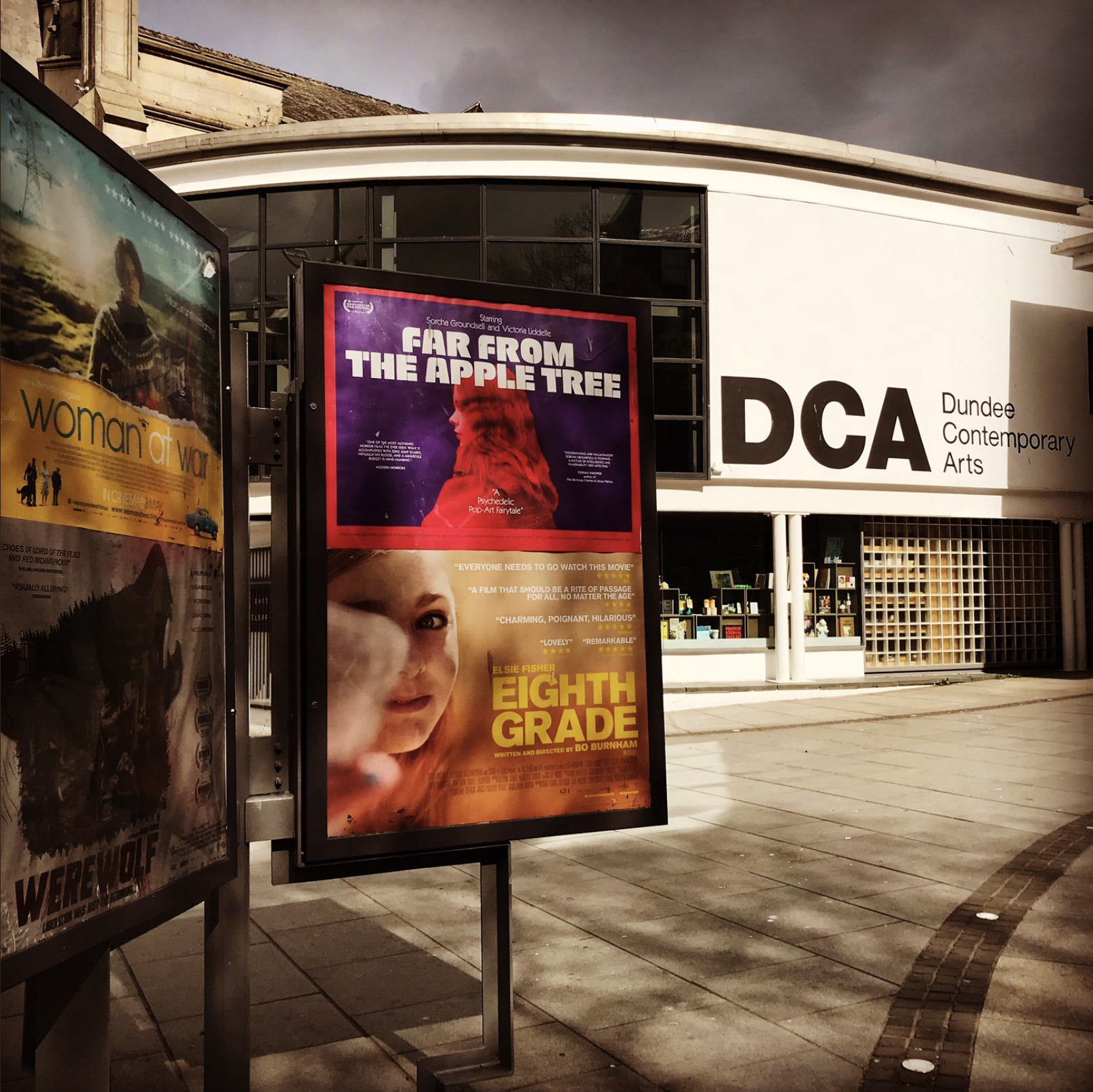
I’m just finishing a feature called Far From the Apple Tree. It stars Sorcha Groundsell from The Innocents and we’ve just finalised a DVD release for it. The other project is setting up a network of independent DIY film screenings, heavily based on Rough Trade Records ‘Cartel’ DIY record distribution network. This is basically creating a DIY cinema distribution network from different film-nights around the UK (and later world) swapping each others films to allow a film to have a wide cinema release without having to be part of a large chain.
- You mentor folk in the industry, do you get satisfaction from doing that, helping them ? You’ve seen a lot of changes in Film/Tv in Scotland, what do you think the future holds for the industry and the people in it, as well as those who aspire to be in it ?
The film industry by its nature is essentially socialist and you have to play your part in it for the greater good. Knowledge should be as openly available as possible and simply passed on within reason (i.e. being sensible with private information) . It’s how industries grow. Purposely holding back opportunities, especially when it’s purely for business purposes is damaging to everyone.
Like with the films I work on I probably fall into two different camps, I’ve tutored at Screen Academy, NFTS etc which are more traditional (and I hugely enjoy) but I also work with Tartan Features/Year Zero who offer a slightly alternative mentoring path into filmmaking with similar end results. This DIY path, I suppose is advocating some form of socialist anarchy. My philosophy is promoting the non-need to beg for scraps from funders or organisations. You can just do it yourself and also do a lot more than you are told you can do. Organisations shouldn’t be operating in business models that are not a million miles removed from Tory trickle-down policies. People should not just settle for selling themselves at the prospect of institutional funding to make a short. Seeing people realise this simple fact is enormously satisfying.
Tartan Features has proven, despite what anyone says to the contrary, that micro-budget features films now have a genuine and workable place within the overall film industry. John McPhail and Lauren Lamarr are now almost case-studies for this point– making a tiny feature, almost overlooked by everyone else that became hugely successful and has led to cinema screenings, festival success and most importantly a path to a sustainable Hollywood career. If no other Tartan Feature related film is ever watched again this one movie proves that as a concept you can make features outside of the system, on your own terms with the same budget as some funded shorts . Big Gold Dream and Teenage Superstars screened/will screen on National TV, is available in the high street and other filmmakers involved with TF now have BBC commissions. It works. DIY is such an important belief to have in creative industries and that’s something that should be promoted, it’s the entire agenda behind Tartan Features and what has always been promoted. It may not be for everyone but it is now an established and alternative part of the Scottish film industry.
In terms of my non traditional mentoring I get satisfaction if I help people to believe they can help themselves and this is what I see Tartan Features as, something larger than just making small films with friends. Like with the whole DIT thing a few years back there was a lot of resistance from an industry but I now think that Tartan Features has started a lot of change. They can self distribute or work with broadcasters, larger distributors, shops and cinemas to get films out there.
People are no longer content to just make shorts in the hope to one day get funding for more. Things have moved on and are moving fast. Tartan Features has inspired others to tread a similar path such as Blueprint in Glasgow, which is good because the more people who realise they can work independently the better it is for our industry. What I really find exciting and interesting though is people like Douglas King and Graham Hughes who are just doing their own thing, getting tiny films into cinemas and doing this around the world. Everyone gets help but they instigate this on their own and that’s important. I find people with that drive inspiring. It means we have fresh ideas and it shows other people they can also do the same. I think things are looking really positive for Scottish cinema.
PC: Have you any tips and advice for those coming into the industry, into your talent/skills areas ?
You already are part of the industry. Don’t fall for the elitist bullshit where you have to reach some level, or pass some test or get the acceptance of the right people.
Being angry is fine – just use it positively. Don’t let it lead to bitterness and sit all day on social media moaning about not getting something. If you’re angry you may have every right to be, feel free to tell everyone if you like but channel that anger! Anger is an energy! If you’re turned down by a festival or funder, or whatever then use it as a driving force to put on your own festival, get funding from somewhere else, or whatever.
Everyone has a price and you need to remember that.
Pick your battles.
Don’t sell yourself short.
There is a world of difference between having a good idea and being able to see that idea through to completion. Everyone has great ideas but the only way you can realise them is to put an enormous amount effort into making them happen. We all start off with enthusiasm, excitement and even obsession but once all three disappear – which they will – the only thing preventing you from achieving them is you. Nothing comes easy even if it looks like it does. Probably the second most important thing I learned.
The most important advice I ever learned was from Hugo Burnham from the Post-Punk group Gang of Four. Everything good, new or exciting can be distilled down to two things, and you need both – ideas and attitude.







 Grant McPhee Director