My two favourite shots in the film only last for a couple of seconds each but are possibly the most complicated of the entire shoot. They go by unnoticed without drawing much attention to themselves – mainly because they don’t comprise of any fancy choreographed action and probably more so because they can easily be created with a very simple VFX tweak. To me their purpose is what is at the heart of the film and what it stands for so I thought I’d share how we created them – or really how the clever folk involved with the film did.
I don’t normally like to spend too much time setting anything up as I prefer a much more organic ‘let’s see what happens approach’ but these were two shots I was determined to have.
The inspiration for them came from a failed home processing experiment I did around 13 years ago. I developed some super8 film – my first ever attempt which ended badly. When I took the processed film out of the the developing tank I was awed by what had been created – an image that had been made chemically and all by myself. It was of someones face and I thought, unlike video tape or the new digital files, which were starting to be then used it was something which would last forever. Unfortunately I’d been too keen and had forgotten a step in the process and the face slowly vanished before my eyes. There was nothing I could do to save it and much like deleting a modern ephemeral file it was gone forever, with me being the only person who ever saw it.
I wanted to subtly reflect this feeling in the movie and illustrate some of the other themes in it more literally. Maddy, the lost girl of the house is present only in her mothers film archive. At first her presence is felt very strongly but as the movie progresses and Judith’s skills become stronger we start to incorporate more faded and degraded footage of Maddy until eventually we see a negative of her disappear before her mothers eyes.
Dr Mihail
For the other shot we created, conversely as Judith becomes more visible to Roberta and we catch glimpses of her in different formats we see an image of her literally developing and appearing on film as Roberta watches.
I thought the disappearance would be simple enough to achieve so concentrated our main efforts onto the developing shot. I’d seen plenty of movies – such as Blow Up and The Omen (both influences on this film)– where you see a paper print being developed in moody red light but I wanted to see an actual negative being developed in complete darkness. I don’t think it’s ever been seen before in a movie before, unless in some obscure scientific test. Because we shot a large amount of the movie on film – mostly processing it ourselves because of the look this gave I wanted everything we did to be practical so went for the difficult option.
My initial idea was to shoot both Judith and Maddy on 35mm movie film with the film loaded with the emulsion reversed, and also because this would give us enough stills to be able to experiment with easily. This would mean the red layer would be exposed more prominently and allow us to use an infrared camera and IR light to film the processing. Unfortunately this didn’t work due to the film being slightly fogged and the wavelength either further fogging the film or not visible to the IR Camera (a cheap HD hunters camera). I was running out of time and starting to get worried so turned to the chemistry genius of Mihail Ursu.
I’d worked with Mihail a few times and knew he shared my love of film experimenting. We were very lucky that we had, other than Simon our wonderful DP, 3 other film alchemists – Lucas Kao, Sarahjane Swan and Roger Simian.
Mihail loves chemistry more than anyone I know and has an amazing knowledge of how film works so I knew that he would be the person who could make this work (and keep him out of trouble). It did, though the disappearance effect proved much harder to achieve.
Below is an extended version of the two shots.
This is how Mihail and Lucas did it:
The initial idea for filming the appearing image came from Grant supplying an infrared camera, but after a first attempt it became obvious that either the illumination of the infrared LED’s wasn’t sufficient or the camera didn’t focus close enough to get a usable image. After a bit of thinking I remembered that silver is likely to be a blocker of infrared radiation so the only way to obtain an image would be during the fixing period. To capture the image i asked for one of the older ccd cameras (Sony PD100) that was being used as I knew it had a high sensitivity to infrared, and also an Infrared torch used for security cameras was ordered, with an output bandwidth that was outside of the sensitivity curve of the film
The images were captured by Lucas and the film was split into several strips. I developed the strip and then put it into a stop bath.The fixer bath had a bit of diffusion paper and the infrared light underneath. This was in a transparent container with a camera set above it so when the film was introduced into the fixer bath – which I had at a higher than normal temperature and agitated, the image appeared as the exposed silver was being removed creating the image normally associated with developing.
The image disappearing was created using a very warm ( about 40degrees) solution of fixer and bleach that I took from the C41 developing kit
The result was the complete, though somewhat slow removal of the image so the image had to be left in a somewhat static place so that the final footage could be accelerated.
“Punk-Rock really shook up our world. It was like a Year Zero Stalinist thing” – Douglas Hart, filmmaker and bass player with The Jesus and Mary Chain.
I’ve been testing Blackmagic Design’s latest release, the eGPU, an all-in-one external graphics card for Macs. To anyone reading this who was expecting to just hear about Punk Music, this is a computer add-on which will hopefully allow our music documentary team to speed up their post-production process. For any DITs, Editors and Cinematographers currently confused about these mentions of Punk Music I’ll try and connect them both up. Blackmagic Design are a little punk themselves.
Perceived wisdom dictates that before The Sex Pistols and Buzzcocks arrived, in order to be successful within the music industry it was required to have the support of international record labels, prohibitorily expensive recording studios and producers. A 1977 Buzzcocks single proved otherwise – that cheap recording equipment and inspired musicians, and management could indeed lead to a band successfully releasing a record on their own.
From this record release a paradigm shift occurred within music and soon smart electrical manufacturers began releasing inexpensive musical equipment to catch this new wave of creativity. This resulted in a perfect symbiosis of inspired musical companies and equally inspired independent musicians gaining Top of the Pops and chart appearances. Only a few years earlier neither could have dreamed of such events occurring, it really was then a place for the elite. Home studios, recording equipment, MIDI, Synthesisers and computer sequencers became readily available. The musical playing field had been levelled by musicians wanting change and the means of that change being offered by sharp electronics companies and software manufacturers allowed this.
The film industry was a little slower to catch on to the changes happening in music though. Although Final Cut Pro editing had opened doors, even by the mid 2000s independent filmmakers still had limited access to high quality; inexpensive equipment. Sony PD150 cameras had arrived but there was still a large quality hurdle to television broadcast standards, and even then still a significant expense barrier to cross.
In 2005 we started our journey to creating two feature length documentaries on Scottish Post-Punk and Independent music. And interviewed Douglas Hart, who provides the quote at the start. It was a very tough beginning as we were aiming for television broadcast results but without the budget to hire the cameras and equipment needed. The film playing field was not yet level though that would change.
Red releasing their groundbreaking Red One Cinema Camera in 2006 did cause shockwaves within the industry. However, it would not be until independent filmmakers desperate for that cinematic look began experimenting with a novelty function within Canon’s 5D STILLS camera that a true independent filmmaking revolution began. There was still a lot to do and eager companies began to move fast.
Right in amongst this gold rush of technology was our film. It took us ten years to make and during that time we saw many new products and companies emerge, some of which were essential to us being able to make our film with our very small budget. We tried many of these new toys but it wasn’t until around 2012 that we began to notice significant changes in our costs and quality from some of them.
One company that changed how we operate significantly was Blackmagic Design, an Australian company who seemed to truly understand the needs of the new wave of emerging independent filmmakers, hungry for low cost and powerful tools once the mainstay of studios.
I had been experimenting with Davinci Resolve as a Digital Imaging Technician after Black Magic had rebranded and offered it to a public for a fraction of the original cost. It would prove to be our most valued tool in creating all of our films within budget.
At this point during our production we had amassed a huge archive of footage, hundreds of hours ranging across a hugely vast array of formats all over a 40 year period. And because of our need to use better and cheaper cameras we had amassed an equally huge library of interviews – hours and hours of different formats. The project had become huge.
For those unfamiliar with post-production processes, eventually all of these different formats have to be converted into one single format. There are various ways of doing this, all dependent on budget. The edit itself would be carried out remotely, at the home of our superb editor – Angela Slaven. We unfortunately did not have the means of a traditional edit suite or the vast, fast, expensive storage they offer so had to devise a plan for the most cost effective alternative. It was decided that we would convert our entire archive to ProRes for future consistency, essentially creating new masters of our footage. We would then create Avid friendly proxy files for speedy editing. Our very final online would be from the amazing team at Arteus, Glasgow, our saviours. Our temporary festival online was created entirely in Resolve by the great team of John Sackey and Sean David Mcnamee.
Weeks were spent upscaling, transcoding, reframing, changing aspect ratio, de-noising and trying to gain a level of consistency. The actual tools for allowing these tweaks are very simple and quick, unfortunately the computer processing time required was phenomenal. We required an old-style Mac Pro as this was then the only option which allowed us to use the GPUs needed to accelerate the processing. Due to work requirements the setup had to be moved around many, many times. It was big and clunky. A portable version was very much needed but unfortunately non existent at the time.
Towards the end of the production Blackmagic released their own Cinema Camera. It was small, portable and importantly recorded footage as ProRes. We could now move from Glasgow to London with our entire kit in one bag. A revelation for us. Our final interviews were all shot on this camera, alongside a Sony F5, which would could easily transcode to ProRes. Below are a couple of stills with the camera featuring Joy Division and New Order’s Peter Hook; and Teenage Fanclub’s Gerard Love.
We finished in July 2015 and screened at the Edinburgh International Film Festival, where it won the Audience Award. We could not have done this without Blackmagic’s Resolve, and the cameras portability allowed us to shoot more interviews in a day. Our savings in post allowed us to use more songs and footage which clearly added much production value to the final product. Of course having so much support from the Arteus Team (Ian Ballantyne, Audrey David, Sharon, John, Kevin, Graham Struthers and all) made this even more pronounced.
July 2018 – Testing the Black Magic eGPU
We have now completed our two feature films, Big Gold Dream and Teenage Superstars. Both are still very independent but we’ve been very lucky to have them screened at festivals throughout the world, television, DVD and online. As we are still very much looking after these ourselves (with excellent assistance from Arteus and Amber Content) we are constantly having to create all manner of deliverables. Often because of other commitments they have to be completed remotely. And this takes time…
It was by no means an understatement to say I was super excited to hear that Blackmagic had developed an external all-in-one GPU. Other solutions existed but consisted of external enclosures, big and noisy. This option seemed to be an all in one, lightweight but powerful box.
When working away from home – which is often the case – I really need to use a laptop so this option has opened up some very interesting opportunities for lightening my workload.
While I’ve mentioned I also work as a Digital Imaging Technician (DIT) where I have some powerful equipment, I’m mostly unable to use this for my independent filmmaking.
I decided to approach the testing of the new eGPU from the vantage point of an independent filmmaker.
I decided not to use top-of-the-range equipment, but what would likely be used in an average indie kit:
The simple ‘indie’ laptop setup used for these tests
2016, 2 year old medium spec MacBook Pro – 15″, 2.6Ghz with 16GB memory
2018 Caldigit Thunderbolt 3 Hub
2014 G-Tech G-SPEED 12TB RAID Drive. USB3, configured to RAID5
2013 Lacie 2Big RAID. Thunderbolt 1 with an Apple TB3 to 2 Adapter.
2018 Davinci Resolve 15 – Non Studio Version
I wanted to test a variety of scenarios that I will be using for two projects I am currently working on, as well as creating deliverables for the 2 existing films.
New Film 1 is a new music documentary called ‘FAST FORWARD’, a companion to Teenage Superstars which will have a similar workflow – many interviews and archive spread across a variety of resolutions and formats.
New Film 2 is a drama called Far From the Apple Tree (starring The Innocents Sorcha Groundsell) which also uses a variety of formats. The reason I’m using this project for one of the tests is because we shot a proportion of it at 6K with Red Epic cameras.
The tests would be very simple, performing each one twice. Once with the eGPU and once without. I’m using Davinci Resolve, reading from one drive and writing onto the other. While not 100% mathematical and scientific it is simple enough to gauge the usefulness of the GPU.
I’ll later perform far more scientific tests as part of my DIT work.
THE TESTS
RED
I always think a great speed test for any drive, software or processor is to work with raw footage, especially a raw flavour which is slightly complicated. I thought I’d go straight in at the deep end with the 6K Epic footage. Because the drives are so relatively slow I decided it best to debayer at 1/2 Res.
Without the eGPU the playback speed clocked in at a fairly impressive 17fps. Quite nifty for an old laptop, especially as I’ve seen it play back elsewhere at 2 fps before!
With the eGPU however playback showed a respectable 25fps – the camera recording speed so no complaints there.
The more important results to me would be from rendering out. I decided to not make any grading adjustments but to purely transcode from 6K R3Ds to ProRes422HQ.
Rendering without the eGPU took an expected hit from the playback speed. Still a respectable 15.5fps average.
With the eGPU I was getting an average of 25fps realtime. There were a few moments of dropping below this.
In conclusion, the eGPU has the potential to increase productivity in Red workflows without having to buy a £6K Red Rocket X. I’ve had to purchase over 5 in a near ten year period and that became expensive. While 25fps realtime transcoding is not an earth shattering performance it is very good and very useable .The eGPU does increase transcoding times by around 1/3rd without a Rocket and for anyone working on a budget this is great news.
Because I was using the non studio version and only had access to one eGPU it would be an interesting experiment to test with other GPUs / faster drives to see how powerful it really is. I would expect a little more than the tests here showed. From an independent and budget perspective this is good.
2. ProRes422HQ to H264 in a Quicktime Wrapper
As mentioned, one of my most common uses for Davinci Resolve is to create deliverables for my pre-existing films. Examples being excerpts, DVD extras, online versions etc. Our Masters are in ProRes4444 although for this test I used our ProRes422HQ Master instead and transcoding to a highly compressed h264 Quicktime for uploading.
Rather than the short duration of the Red Clips this would be a 90 minute movie (Big Gold Dream). This is a common step for me and one which is usually very reliant on time. Anything which can boost this while remaining portable is very desirable.
Without the eGPU I was getting around 50-60fps.Using the eGPU the speed would reach around 100fps, likely bottlenecked by the drives.
While the speed was very inconsistent without the eGPU – 55fps being one of the lower speeds it was very consistent when using it. I can certainly see using it for this purpose as a real benefit to my workflow.
3. ProRes 422HQ to h264 WITH MULTIPLE NOISE REDUCTION NODES
I then decided to push the ProRes a little more. One of the most taxing tasks for GPUs, more so than CPUs is multiple Noise Reduction nodes. This next test would be footage shot on the Blackmagic original camera at ProRes422HQ to an MP4. Unfortunately I was using the non Studio version of Resolve which is why there is a watermark but speed results should be the same regardless.
Without the eGPU I got 7fps – very slooooow
Adding with eGPU showed a remarkable change. Up to 19fps
The conclusions here – which further and more exacting testing should be done – are a significant improvement on multiple nodes of noise reduction with the eGPU. Very surprising. Certainly the biggest increase I saw throughout the tests.
Without the multiple nodes, even without the eGPU the rendering speed from ProRes422HQ to h264 was around 100fps, bottlenecked by the drive speed. I think with more testing on higher spec-ed equipment should show a very powerful use for the eGPU.
4. Upres-ing Archive footage and adding multiple nodes.
The final testing in this initial round would be based around bringing our new documentary archive in spec with the rest of our material.
For Big Gold Dream and Teenage Superstars I did not have the luxury of being able to run my system overnight due to working in remote locations and having a very bulky Mac Pro. This meant that I had to fit this stage of post within a very small time-frame – and often processes had to be cancelled early as I did not have enough time, which was very frustrating.
I was hoping from test no.3 results that we would obtain similar results.
Our archive often consists of an incredibly wide range of formats, often not having access to the original material. We have DVD, miniDV, VHS, 8mm, youtube – all sorts of material which we often have to take ‘as is’. Although Arteus have been able to go back to as much of our original source materials as possible we mostly have to make new masters here for a variety of reasons.
It’s very common for us to have 3 hour VHS tapes, digitised using inadequate hardware/software and usually of a very aged appearance. This means we have to upscale, Denoise, reframe and add a little colour correction. This may be fine for a 15 minute tape but when there are 20 or 30 x 60minute tapes needing these tweaks time-management very quickly becomes important.
For this last test I upscaled a miniDV tape, reframed for 16:9, added some noise reduction and some small colour corrections.
Mini DV Upressed, re-framed, Noise Reduction added and a small amount of colour correction. 7.5 fps without the eGPU
Mini DV Upressed, re-framed, Noise Reduction added and a small amount of colour correction. 19 fps without the eGPU
I did indeed notice similar results to the previous multiple node tests, which will be fantastic news for us. This will literally save us days on such a long project.
Overall Conclusions
While this may not be the most revolutionary piece of equipment ever designed, it is an incredibly useful tool for independent filmmakers, editors, colourists and digital imaging technicians.
An average noted one third increase to your workflow is seriously impressive for around £1K. It is very fast for a standalone GPU card but because it is also a stand-alone itself – not requiring – a TB3 external pcie chassis it becomes incredibly good value. An external chassis alone would cost a similar amount as the eGPU.
Another benefit I discovered was the low noise generated from the fans – always an issue for me with external chassis units. This is a very quiet unit.
The addition of USB3 ports is very welcome, especially as Apple now require you to buy adapter or hubs due to the removal of all legacy ports on the new MacBooks.
A personal negative for me is the construction. While it is small and relatively portable it feels designed for desktop users.
For many of my uses I would be expecting to take it outside for use on mag-liners, vans and studios; often with it being in transit. It would be nice if there were options to mount it in a rack or flight case. But this is a small niggle for a very well designed product.
For us and our films I can it as an invaluable tool for saving time, time which in turn saves us money which can then be spent on other areas of production.
The nifty USB hub, handy for the new MacBook Pro’s!
Review Fix chats with filmmaker Grant McPhee, who discusses his vampire/horror flick, “Night Kaleidoscope,” giving us an incredibly deep look at his process and how the film was made.
Review Fix: How was this film born?
Grant McPhee: The film was written and shot very quickly. A script, used really more as a backbone was written in a week and the actual shoot was also just a week.
It was one of 3 features I helped produce in a very short period of time – all three filmed in under 3 weeks total during a month between December 2013 and January 2014 (the week off being Christmas).
Film One which I co-produced and shot was Take it Back and Start all Over by Neil Rolland. Film Two was this; which I produced, directed and shot and film Three was Wigilia by Graham Drysdale which I also produced and shot. It was unsurprisingly quite an intense period but was part of a plan to create a series of micro-budget feature films which fit a set criteria for a proposed collective. These would be called Tartan Features (now Year Zero Filmmaking).
The collective was to be built around the structure of an independent music record label such as Sub Pop, Creation and Factory Records. Each film would be given a unique catalogue number, artwork – which would work for the overall image of the ‘label’ and they would also have to fit an overall image. In many ways it was (and still is) like a mini studio.
Each film would have to follow some of the below requirements:
1 – Be made on a microbudget (usually between $1K and $6K) but feel they punched way higher.
2 – Not follow standard genre tropes of micro-budget feature films – i.e. they had to use their budgets as something positive and not try to be like a cheaper version of a Hollywood or schlocjy horror film. It’s too simple to just make an exploitation film so if anything veered into that territory they would have to do it with some level of originality. Use your budget to make something an exec would not normally allow you to make – a great opportunity. Use the limitations.
3 – Not be afraid of failure or mistakes –one of the biggest rules. Film funding rarely allows for mistakes and thus people make safe films when given proper funding due to the fear of not being given a second chance. Safe films are boring and all exciting filmmakers have made films full of mistakes. You learn from mistakes and often mistakes reveal a real human element missing from many Hollywood films, which is something that really appeals to me.
4 – Trying something different. Doesn’t matter if you fail – you might fail but then again you might not, and beside there will always be something interesting which you come out with or can learn from. Just don’t copy anyone else – what’s the point!
5 – Diversity. We wanted things and people which would just not fit in anywhere else.
6 – Be a stepping stone. All the films were made with standard scheduling and budgeting used on larger films – the idea being they are scalable so if you get given a bigger budget with your next film the jump would not be so big. And in terms of getting a bigger film the hope was to make mistakes on these films; experiment and use them to move up to the next level.
Review Fix: Why do you think people love vampires so much?
McPhee: Vampires have definitely become archetypes. I think the variety and expectations are what appeal to people. It really depends on how they are handled though– often there can be alluring aspects which can be very appealing but also be horrific. Whether they are set up as antagonists or protagonists also makes a difference and people respond in very different ways to that, far more than with zombies. Ironically they are like mirrors to our desires or show what repulses us. Really, there’s just far too much to discuss and I’m not smart enough to be able to do that here! For us, and I’m trying to think back but I don’t think I ever mentioned the Night Kaleidoscope vampires being traditional vampires actually. I think there’s enough to give a suggestion but they are probably more allegorical.
Review Fix: How is your cast special?
McPhee: Cast – and crew are special in many ways and should be chosen carefully. Personality and how they fit in with the whole team are one of the biggest considerations that may be less obvious to anyone making this type of film. Although we always would stick to standard shooting hours these micro budget features fit A LOT into those days and that’s when personalities matter.
One of the biggest problems you can face is loosing time due to these clashes – not always with just you but others on set too – there really is no time for divas, and that includes directors!
Finding good actors who understand the process of making micro budget films is actually hard. They need to make compromises and that’s a tough ask, incredibly tough but I’ve always been lucky to find great people who are happy to go along with these crazy plans.
The bigger picture is always what is most important, and that’s not just your finished film but the independent film industry as a whole. By no means am suggesting there has to be a dictatorship, quite the opposite – everyone has to compromise but learning that everything does not have to be perfect is incredibly liberating and brave.
Finding the right moment to leave something and move on, or go back for another take is the biggest skill you need for making these films. A sound recordist will always aim to provide the best sound possible but sometimes that can not always be achieved in some circumstances. For example if you have 3 hours to film a scene and there’s an unexpected level of street noise they have to decide whether it’s ‘enough to get away with’ and complete the day, or risk loosing a scene by putting their foot down. At the end of the day their name is going to appear in the credits and they don’t want to be seen as providing bad sound.
A special sound recordist understands the nature of the shoot and will compromise their perfect sound for the integrity of the overall film. And conversely they will not let you film unusable sound if they deem it unusable. Trust. Special cast and crew understand that these films are not standard Hollywood and realise that skills are equally political, beyond their basic job descriptions. There’s more to just having a good showreel from an actor or cinematographer.
These people are few and far between and working with them is what allows these films to be made, without exception and that’s what makes them special. I’ve been very lucky and have very rarely met anyone who is the wrong fit. But they can be destructive. If you plan to make a micro budget film please build these relationships and don’t take anyone for granted. Also do your homework.
Review Fix: Any fun stories on set?
McPhee: Not exactly fun, just the usual bizarreness that anyone involved with my films has to put up with.
The principal shoot was incredibly well organised and scheduled by our Line Producer, Matt Brown and Production Manager Raluca Oros. They created a schedule which allowed us to improvise as far as we wanted but had bullet points to keep us on track if we drifted too far.
The rest of our week long shoot was taken up with pick-ups which were , err a little more freeform. I always treat each film as if it were a one-off art project as I think that can be reflected in the film. As mentioned above it’s really important that the right people are onboard which helps create the right atmosphere required – people join in as that’s where all the interesting and magic things occur (whether successful or not). You might loose something more traditional but you gain far more by building unique working environments and get results you’d never get by working any other way.
I didn’t think the results from the initial shoot had the level of atmosphere we needed so the pick-ups came about by trying to achieve this – and that required us to get into a zone where I thought we’d be able to come up with interesting ideas on a whim. I really like getting away from the strict rigidness of filmmaking as it can often be very counter productive to creativity – probably a reaction from my time as a camera assistant where everything it incredibly well organised. So I try and get each film into a balance of being free enough to improvise but with a back-up of a clever plan if things get too crazy. Though I should point out that safety is always the number one priority and I have little time for anyone who puts someone at risk.
Really we got ourselves into a place where bizarreness became the norm, which was a lot of fun, especially when we encountered moments of normality. Or forgot when day players less used to the madness came on set.
It’s maybe difficult from watching to see how improvised and shoestring some of the scenes and locations were. One of the dingy rooms where the vampires hang out was my hotel room from my day job. I went to the local supermarket and bought 100 rolls of tinfoil and just gaffer taped them to the walls and covered them in some red food colouring. The lighting was just a bit of blackwrap attached to the lightbulb on the ceiling. We got so used to working this way that we could just create scenes and sets in minutes and they somehow all fitted in with the general vibe. The hotel staff and other guests seemed miraculously to let us carry on.
Working like this, you just forget that not everyone else you meet during the production knows what you’re doing – but it’s amazing how accepting people are. I ended up filming some B Roll on my own in a housing estate (UK version of Housing Projects). As nearly all effects were practical we had to improvise with what we had to our hands. I set up at an entrance to a block of flats with a small DSLR in one hand, two sheets of blood covered glass in another (how we got the blurry effects) and some severed prosthetic hands in a pool of blood in front of me. 9/10 people would just step over you without even a question or odd glance, only the rare concerned voice asked what we were doing with all the blood. Maybe severed limbs were standard there.
The pub scene was filmed at 9am. We promised the regulars a free pint if they kept quiet. We unfortunately started running over and I had to start keeping people happy by buying bizarre goods they tried to sell. I felt obliged to buy a broken VHS camera to keep one particularly noisy customer quiet – sadly the tape inside contained nothing more sinister than the horse racing. As we carried on more and more customers would turn up as they hard on the grapevine that ‘someone’s making a film about vampires in council houses and giving out free pints’. We all got out on friendly terms though.
I decided – for editing reasons – to keep everyone in one set of clothes. That should make pick-ups super easy I thought. Unfortunately Patrick misplaced his jacket so we had to improvise with something from a local thrift shop. Most of the day was then spent trying to come up with ingenious ways to hide him in shadows. Oh, and how could I forget that he turned up for a pick-up with a full beard. But really, without Patrick’s complete understanding of the project – and ability to just let me to put him into bizarre situations we would not have the film.
A lot went wrong, especially on day one. We’d liaised with the local council to use a location weeks before and had checked everything was still fine on the morning – and they assured us it would be fine…. Our main actors turned up late due to a blow out – which put us 2 hours behind so not a great start. Things got worse as once they arrived and we literally pressed record the council decided to install wall cavity insulation which literally made the building shake. It took another two hours to get them to leave, making for a very unsatisfactory morning.
The joys of low budget filmmaking.
Review Fix: How did this film make you a better director?
McPhee: The film has definitely made me a better director though in less obvious ways. Not so much in what’s onscreen but definitely more in how I work offscreen.
From a purely sitting back and watching as a viewer perspective the film is very much a step back from my previous films Sarah’s Room and Big Gold Dream. BGD especially as that became a lot more successful than I ever expected and realised that some people would potentially watch this as a result of that – and likely be horrified haha
I’ve learned that the film industry is far bigger than any small film. I was quite disappointed with NK when I first saw an early cut and actually contemplated not releasing it, I was even a little embarrassed as I thought I could do better and had let people down. I rarely worry what others think but I do feel responsible for those who’ve taken their time to make this with me.
One of the reasons for making these collective films is for hopefully everyone involved to benefit. Crew gaining experience and cast hopefully being picked up for other roles – or at least be able to experiment in ways they are generally not allowed to. Because of the ideologies behind the film I had to put it out regardless of how it would affect me. And I’m very glad I did though as it taught me an awful lot about being a director and myself.
On purely technical terms it’s allowed me a better understanding of how films work – by having to work backwards and deconstruct the film to its bare bones to find out what went wrong. It felt like being a crime scene investigator or a surgeon. From the initial 5 day shoot I decided to shoot 2 more days of pickups. Partly as a ‘fix’ and partly to give it the colour and flavour I felt it needed that time restrictions did initially not allow.
The working backwards approach – learning from my mistakes – surprisingly was a massive learning curve. I learned an awful lot about what you can get away with in the editing suite and more surprisingly from a film with little plot an awful lot about scriptwriting. Definitely a massive, massive learning experience taken onto my next drama. And something that could only be learned from mistakes.
The more esoteric learning experiences were what ended up being the most rewarding and surprising.
The perseverance I learned is something that has come up in other films. Really filmmaking is not easy – otherwise everyone would do it – and training yourself to carry on when you really would rather give up is one of my most important lessons. If you don’t do it nobody will do it for you.
Loosing your sense of preciousness. It’s not just your film, its everyone’s and you have a responsibility to those who’ve given up their time to come on the journey. If the film is bad it’s not their fault – it’s yours and you have to accept that responsibility. Again that’s something I’ve learned that will greatly help me on future productions. It’s unfair to everyone else as there will always be something that someone, somewhere will benefit from. So release your films – always.
For you, even if the film is not amazing it’s all part of being creative. Creativity leads to creativity and will only benefit you.
You also have a responsibility to filmmaking as a whole. You become part of a community and you have to do your part in creating an industry. By not realising a film you immediately take yourself out of that community.
From a colleague putting out a press release for one of the early trailers I’ve learned how to do that myself (along with what I learned from my Big Gold Dream process). I think for the actual release of the film I managed to do a decent job on my own with self distribution. Possibly one of the most useful learning experiences. I’m currently using that to release and distribute other films with others to a much larger level.
Review Fix: What are your end goals for this film?
McPhee: I’ve mentioned a little above and below- while I know the film is far from perfect I hope there are enough moments which will show somebody that it is possible to make a feature in a week.
It’s not easy but there are so many clever folk around – with far more talent than I have that I really hope someone just goes out, writes a film and uses that to make a bigger film that inspires others to do the same too. And so on….
Review Fix: Bottom line-why must someone see this film?
McPhee: I’ve learned in the year that its been available that NK is not a film for everyone, which is quite all right with me. For such a difficult and unusual film I’m delighted that it’s received positive recognition and even some fans. There are many different types of filmmaker and they have many reasons for making films. Some make films for financial gain, some make films to get good reviews and many other reasons. I want to make films for ideological reasons and also because I like the type of film I make – which I know is often not to the tastes of many. When these films get positive reviews, or people like them or you get reviews which appreciate some parts and are honest about not liking others it genuinely makes it seem worthwhile. I don’t expect to make money but it feels like there are likeminded people who would maybe make their own film or can help the independent community in their own area and it’s incredibly rewarding. I think it’s really important for likeminded people to work together, there’s not always many but there’s power when likeminded people come together.
Whether someone does not like the film as a whole there may be elements they do like – and use. Inspiration can come from many sources. I’d be delighted if someone saw a scene, or a shot and somehow it inspired them to do something for their film. If people don’t like the film then maybe the process could help them make their entirely different film.
People hating the film is also great – I think it’s completely valid that something is so against what you want that you react to it in a positive way.
But I do hope there are some elements people like and hope it allows me to meet people who want to do similar projects.
Review Fix: How do you want this film to ultimately be remembered?
McPhee: As mentioned, the film is part of a collective called Tartan Features (Year Zero Filmmaking).
I hope this – and all the others under that umbrella will be seen as part of a movement that tried to do something differently. It may not be full of El Mariachi’s but there are films which have had an element of success. Some filmmakers have gone on to make much, much bigger films and I hope that every film in the scheme will be seen as part of the building blocks to something bigger. Whether as a stepping stone and never looking back, or someone going on to do something successful and helping others joining the movement. I’m positive that there are so many talented people involved with the other films that the collective effort will produce a great film.
I’m also hoping that this can be something that can be used around the world for other filmmakers. Indie filmmakers must work together and support each other.
Review Fix: What’s next?
McPhee: Two films are next. One is my most ambitious drama – definitely using the mistakes I made from NK – called Far From the Apple Tree. We tripled the budget and doubled the shoot time and think we’ve taken a film of that budget to a really high level. It’s still very much an idiosyncratic film but think it’s appeal will be far wider. It’s a Pop Art Fairy Tale made along the lines of 60s psychedelic youth films, music videos and pagan horror film.
As the 10th anniversary of the Red One Cinema camera approaches, I thought it would be a good time for an overview of the changing roles of the DIT and Cinematographer in 2016. The purpose, other than an overview of the recent changes in technology and practice is to bring more awareness to the current application of the DIT and to aid the progression of cinematography today. The role of the DIT (Digital Imaging Technician) is one of the most ill-defined roles in cinematography, which is as equally surprising as it is unsurprising. It’s surprising as the role has been around (in current present form) for roughly 10 years – essentially since the introduction of the Red One Cinema camera in 2006. It is unsurprising as the nature of technology and budgets have developed at such an alarming rate that dramatic changes to duties and expectations have arisen. Really, the role has been in flux since its earliest days and continues to do so, making it very hard to define. Starting Out My first introduction to the Red camera was in very early 2007. It had not been officially released then but a lot had been written about its potential on the internet. At that time I’d been working between being a 2nd AC and Video Assist Operator on 35mm commercials and feature films. Very early days for my career and being very enthusiastic, I would scour the internet for information on all camera formats. I was surprised that not many of the people I was working with had heard about this new camera, or those who had just dismissed it as ‘vapourware’. In 2007 film was still the gold standard, though things were changing. I’d worked as a daily 2nd AC on a shoot in 2007 that had shot on the Viper Filmstream. The Viper was a pioneering digital camera but dismissed by most as an unworkable novelty as it was tethered to a very large series of hard drives. Very restrictive. The less restrictive Red camera however gradually began to be used on productions throughout America and word soon spread over here, mostly in hushed tones of an industry changing camera/silly toy depending on your stance. As an aside, Marc Dando owned that Viper camera and would soon go on to dominate the industry as the creator of Codex.
By chance two simultaneous productions occured which would change my career path in early 2008. One, was a short film that a friend directed. This friend had received a small amount of funding (there actually were such things at the time) and managed to persuade the very talented Robbie Ryan to DP. He also suggested that Robbie shoot on the Red, which was obviously very exciting to me on both counts. I was hired as the 2nd AC (though ended up being the 1st part way through). Unlike other shoots I’d been on, a technician came with the camera. This was strange to me but as it transpired, completely necessary. Although we had spent a lot of time looking at Red manuals and tutorials, in the heat of a shoot it was very easy to forget where menus were (Red never being good for menus) and actually no idea what to do with the Red Drives once they had been shot out. Our technician would copy these drives onto computer drives overnight (this seemed very scary and technical). Everything being new I would spend every spare opportunity memorising the menus, asking questions about downloading the data and reading about every new firmware update (which Red would release to make the camera work properly). I believe we were on firmware 13 at the time.
Production two happened the week after. A commercials production company I worked for as a 2nd AC had decided they’d had enough of shooting 35mm and wanted to try the Red instead. By chance they had a shoot lined using the Red and they were wondering if I would be interested in helping. This allowed me even more experience working with Red in a short space of time. Throughout the year and into next I’d moved from being an average/not great 35mm AC to an in demand AC/Technician working with digital cameras. Ironically this gave me more experience on larger 35mm shoots where I became a little better as digital cameras were being used for certain shots, and by then, not just Red. I distinctly remember the laughter (myself included) when a director wanted to use his newly bought Canon 5D2 for a shot as it shot video (30FPS HARD at that time) – little did everyone know.
Then something unexpected happened. A union strike in America had the unintended result of nearly everyone switching to digital productions for TV overnight. This would change the way films were made forever. Nobody expected a change to happen so quickly, least of all Kodak and feature DP’s. Over a very small period of just two/three years 95% of productions had switched to shooting digitally – crazy to think as 35mm had been used for 95% of cinemas 100 years. 35mm Productions would ‘step down’ and S16/HDCam productions would ‘step up’. A perfect storm had happened.
Steven Soderbergh, early adopter. Obviously there was complete chaos. Producers, some cinematographers and AC’s and especially post production companies were struggling to make headway into this new digital world. The 35mm workflow was essentially universal but the digital workflow would change for every production. And that uncertainty was confusing for everyone. And this is where part of the confusion as to what a DIT does is arises from. Generally a DIT then would be a technician for a camera – mostly as AC’s were more used to film or ENG Style Video Cameras – and importantly download the data. AC’s are smart people and very quickly they would come to operate the camera menus/set-ups themselves. Only the copying of data cards/mags was now left to the DIT. Backed up data would be sent of to large post houses, and really dealt with in a similar way to film being sent to a lab. Not all post houses however had the same set of skills, which caused issues which will be discussed later. The first DIT confusion for producers/production managers was that certain DPs expected the DIT to have a good understanding of how the camera worked on a sensor level and be able to offer advice on ASA settings, colour temperature, exposure etc – things the DP did not need to think about too much themselves as they had so many other things to do. Other DP’s or AC’s were more technically aware of how cameras operated so a DITs knowledge of finer technicalities was not needed so much in those cases. Confusion would occur between a need for a data wrangler and a DIT, but mostly DIT was still a catch-all term.
Classic early DIT set-up As the downloading of data very quickly changed from a dark art to ‘pretty much anyone with a laptop can do it’ the role of the DIT started to become more cause for concern. Producers did not really have the time to spend hours working out what a DIT really did. Like every other crew position they relied on CV, or word of mouth to ascertain someone’s suitability. By this time everything had turned a bit ‘wild west’. Runners or Trainees were given roles as DITs on some productions. This would be fine for one job but cause all sorts of problems on others where more technical knowledge was expected. Soon lots of horror stories would appear such as cameras not working (in a lot of cases down to user error), rushes going missing or some DITs thinking their job was a bit more important than it was. But as operations quickly became simpler and clearer; cameras easier to use and workflows more generalised productions inevitably (and rightly) started to employ less experienced DITs with good results in general. And this is where Post Houses come in and the DIT was reborn. The role develops It’s a myth that shooting film resulted in a perfect floor to post workflow. From the popularity of Telecine, dailies were always interpreted by operators. From a personal perspective, as a 2nd AC I recall a DP having stern words with me after forgetting to write ‘Night/Int’ on a particular shot. The TK operator had interpreted this scene as ‘DAY/INT’ and graded appropriately. Most instructions were written on Neg Report sheets but were very vague – ‘Good, Strong Blacks’, ‘Make Warm’, ‘Cool Morning’ etc. Discussions and tests were shot before hand but Telecine Operators were very experienced, DP’s tended to shoot ‘in camera’ so results were usually consistently good. For features most DPs were used to shooting pre-DI where they pretty much got the intended look on the day. Initially many of the filmlabs (like Kodak) did not want to enter the ‘video’ market, so pre-existing boutique, general or new operations dealt with the data from Digital Cameras. With very inconsistent results. Like the DIT Wild-West there was a Post Wild-West. Some of the top-end houses produced excellent results, some of the brand new operations produced excellent results but many produced very poor results. There were a lot of very poor results which caused DPs skills to be questioned more than post house inadequacies. What was so frustrating about the situation was that very early on, Red had clearly seen the future and actually (via Assimilate initially) implemented some very clever methods for maintaining a consistent look from the camera floor to the edit suite. Unfortunately this look information was not always successfully passed on, and ironically one of the main reasons for this confusion was REDs forward thinking. In thinking so far ahead, they had stubbornly pushed their custom workflow, which was not compatible with what existed in most production houses. This would be their Achilles heel and the main reason that to this day people associate Red with a difficult workflow. In making the camera itself cheap for the end user, they had licensed many of-the-shelf components to make this possible and it became clear that this was actually a unique new way to shoot cinema. The Red was a camera which was 50% onset cinematography and 50% post cinematography. This would be where the next revolution in cinematography would be – and currently is now.
The original Redcine (before X), which was pretty much Scratch! What Red had done was produce a camera that shot raw data ie. data/images that would be finalised after shooting. In real terms this meant that unlike film which can only be developed once, Red Raw data can be developed again and again – even years after when the algorithms to do so have improved. But to do this caused a MASSIVE amount of processing power. A standard computer from 2007 could take weeks to process this data into useable images. As a result, only large companies with expensive computers could turn around dailies quickly enough to please customers. So for a while, Red processing existed only in the realms of large post houses. The Red Meta Data sent was often ignored, and to keep later post costs down, the raw data was transferred to various DPX (some linear, some log) files for editing/grading. The power of raw was lost in many cases and results were very variable.
As previously mentioned Red licensed some technology to help them keep costs down, one of these products was Red Rocket, a GPU that accelerated the raw data processing. It was very expensive and it also meant that for years Red were tied into using it alone, long after computer processing had caught up (they opened up GPU processing a couple of years ago). But what it did do then was allow the processing of rushes to be taken out of Post Houses and onto Set. This would a) give DITs a new lease of life but more importantly b) further cinematography by giving control back to the DP. The DP could now authorise rushes before they were sent to editorial. Obviously this did not go down too well with post houses, as they were losing a good chunk of income. For a while there existed a mix of DITs backing up and transcoding rushes, syncing sound and delivering dailies. There were also experiments between continuing as before, or some cases where all rushes were sent of to a post house. Both outcomes were good. DITs had re-invented themselves and post houses produced better quality dailies. Rather than laptops for downloading Red CF cards, 12-Core Mac Pro Towers were needed. But the lab had arrived onset for the first time. And that brought about a new set of creative possibilities.
Arrival of new systems
Around then the Alexa arrived. The Red was suddenly old hat. Arri was known to most cinematographers, especially in Europe through their range of film cameras. It was well built, the menus and buttons were in the correct places (being German), its specs were way ahead of the Red (pre MX) and more importantly it had been designed to fit into existing workflows. Almost. It initially shot Log encoded ProRes only (raw to come later). Nearly everyone could edit straight away with the files it created (well the 422HQ iteration at least, 4444 being trickier) except for the fact that everything looked washed out. That was because the camera encoded the linear sensor as LogC. Log had been developed for DI technology so was only known within a small field. To view the images properly as was seen onset a LUT (look up table) was required in post and a new set of terminology was suddenly introduced into wider cinematography. Along with Rec709. Now everyone knows what LUTs are, then it was a mystery. Very few pieces of software could work with them, usually only very high end finishing packages like Iridas and Baselight. For the first few months very convoluted methods were utilised to apply a LUT to dailies: importing into Final Cut, applying the Nick Shaw LUT, exporting as ProRes again, importing into Avid then exporting as DnxHD36 etc. As well as Gluetools, AlexICC etc
Kodak Cineon Log Files for DI
The Great Progression
Original Davinci 2K Plus A year later one of the greatest progressions in cinematography arrived (again). Davinci was a very high end finishing hardware/software package for 35mm productions. As the Film world (Labs and Kodak/Fuji) had been decimated by digital Davinci was essentially about to enter bankruptcy. A small Australian ‘converter box’ company, Black Magic Design bought them and then released Resolve as software for £1000, and to be run on an Apple Mac! This allowed everyone access to a proper super-high end grading package for the first time. This was something way beyond the limitations of Apple Color and incredibly exciting. Other than allowing independent filmmakers using 5Ds and other DSLRs the ability to use serious post tools, it allowed DITs to significantly improve the quality (and ease of use) of making daily deliverables. Everyone was happy.
Davinci Resolve on a Laptop! In a very short space of time Black Magic would release a free version of Davinci Resolve and Apple would concurrently release the Macbook Retina. This combination made it possible again for anyone really to back-up and create dailies for commercials and medium budget features on a cheap laptop. Technology had again expanded the possibilities of cinematography and allowed into the hands of all. Very large features were slightly different. The big Post Houses or the very smart indie operations had created very powerful datalabs. Essentially they went back to the concept of overnight dailies. At the end of a shooting day original camera cards (in some cases drives when a copy was made onset) were sent away, dailies created and returned the next. Unlike at the beginning of the digital revolution there was an important difference. The DIT had a very different role, one very like the real origins (onset video broadcast engineers). They would sit next to the DP and manipulate the sensor signal, they would not back-up cards or transcode rushes (though this would sometimes happen, especially as drives/ports are becoming so fast). The technology to do this was incredibly expensive; so expensive in fact, that only the very largest of Hollywood features could afford to work this way. They would, to all intents be ‘Live Grading’. The equipment to facilitate this would be expensive LUT boxes made by Truelight/Filmlight/Baselight or Pluto and very expensive software by Colorfront or Iridas Onset. It’s certainly nothing new, 3CP by Gamma Density had developed their system years ago for using stills camera images for passing colour information to Telecine Operators for 35mm shoots.http://www.eetimes.com/document.asp?doc_id=1300609
Livegrade For All.
As with everything in the development of Digital Cinema equipment progression has made prices significantly cheaper for everyone to access. The latest technology has allowed the current role of all DITs to develop even further by significantly assisting DP’s to have significant amounts of control over their images. Namely, through cheap access to Livegrading. Blackmagic were unsurprisingly involved, but not directly. In 2012 a German company called Pomfort hacked a very cheap BlackMagic conversion box – the HDLink.
They created software, which surprisingly had not been named this before – Livegrade. All this could be used with any Macbook computer for around £500. Its genius was to bypass any capture devices and rely on simple, previously developed technology.
http://pomfort.com/livegradepro/features.html What does a current DIT set-up look like? As we are discussing current DIT and Cinematography equipment and conventions it makes sense to explain one of the current working practices of this set-up in a little more depth. As the Alexa is by far the most used Digital Camera on features and commercials it makes sense to use it as an example. Firstly, the kit and set-up, in simplified form:
Non Livegrade set-ups would use an HDSDI output from the Alexa straight to the monitor. This would either show standard Rec709 signal, or an Alexa Look File (still in Rec709). If you changed the Gamma setting in the Alexa to Log C the monitor would display the LogC image. Great for displaying the recorded signal, not so good for anyone else. In order to apply a LUT to the monitor there are various options. For our purposes we will use a Black Magic HDLink Pro – these cost around £300. To fit this into our current chain we have it between the camera and monitor. So, Camera>HDLINK>Monitor.
The HDLINK is not a capture device, all it does is to alter the signal between the camera output and the monitor input. In order to manipulate the image you need to connect it to a computer, any Macbook will do. The free software allows you to add a single LUT. It connects to your laptop by USB2 (very little processing) which enables you to change values between the HDSDI signal. This software is clunky and slow, and not really useable other than burning a LUT into the box. To manipulate the signal live you need software such as Livegrade. The current version is Livegrade Pro 3. You can connect any grading panel to the laptop (again by USB2), I use Tangent Wave’s though it’s a bit big.
You can now alter Lift, Gamma, Gain, Saturation and Curve non destructively. Grading from Log is a massive leap forward from working with Rec709, doing this live massively increases the options a cinematographer has available to them. A new tool. But a livegrading system can offer up far more creative possibilities which were more difficult to achieve in the past.
One of the greatest benefits is an option which was very common with film, but less so until recently with digital (for various reasons, one being onset monitoring). The DIT/DP in a Livegrade system will always have a remote iris control.
In combination with Livegrade you are offered the ability to ‘print up’ or ‘print down’. In practice this means you can control where 18% grey lies on your curve. And this can bring out a new possibility for skintones. To illustrate this imagine your log skin tones being 30%, you can open up your physical iris 0.9 stops to roughly 40% and in Livegrade non destructively stop down. Your Lutted image will pretty much look the same but you have changed where your skintones lie on the recorded log signal. This is amazing for various reasons, for creativity (skin tones do look different at different points on the curve) and also great for dealing with noise in shadows. Or vice-versa for adding texture.
Not a great example to be fair. Sorry!
With Lift, Gamma, Gain you have greater flexibility with colour control. Rather than tint/white balance which changes the overall image you can change parts of a scene. Highlights can have warmth added, or taken away while shadows remain the same. Early versions of Livegrade pretty much allowed only this flexibility, with the benefit of saving LUTs/Loading LUTs for various post packages. But there was little metadata other than CDLs. Livegrade Pro allows a capture card to be used. This has two advantages. One is the timecode is referenced to onset tweaks. Referencing timecode means that other software – specifically Silverstack XT can read these tweaks. This means that you have a great guarantee that what you are seeing onset will be seen in the colourists suite.
The capture card also allows you to refer a previous take with a current take. It’s difficult to understate how big a deal this is. Whole projects can be built up around a film. To illustrate this think of the film Colour Palettes that appear on various film blogs (colour schemes that various named films use – http://www.digitaltrends.com/photography/cinema-palettes-twitter-account-color/). Greater control can be used to achieve these, and maintain consistent skintones throughout. On shoot day 23 you can immediately bring up a directly cutting scene from day 4 and wipe it across your live screen etc. Or even shots from the same day, matching two or three cameras or mis-matching IRNDs (different casts always occur) or throughout weather changes. Combined with your iris control you have a serious amount of creativity at your fingertips, all seen live. This can then all be put into a single document for referring to in post, cdl and 3D LUT. It’s staggering how much control the DP has lost to Post and some options for taking back this control are essential. So many people shoot and leave it to the grade. This is no longer enough. By the time your footage has gone to the cutting room, or even the dailies – if your look is not stamped in people will forget your intended look. And by that time it is very difficult to convince people to return to your intended look. Remember the early days of LogC? That is why so many commercials had that washed out look – because directors and producers could not see it any other way after the cut. How does a DIT facilitate this system for a DP? Unsurprisingly every production requires different methodologies. The reasons for this are usually down to budget, location logistics, camera system used but principally to fitting within a DPs method of working. At it’s heart, a DIT is just another tool to help a DP. And like other tools available they are used in very different ways to achieve the most suitable photography for the story being told. Because of this a DIT in addition to understanding the technical aspects of their job have to understand the political, and in many instances this is far more difficult. Every DP has a different way of working and every DP has a different personality. Previous working relationships help enormously – especially with new technology and thus different approaches to using that but you have to very quickly adapt to defining boundaries. It is imperative to understand that you are being hired to assist the DP. Some DP’s like feedback, suggestions and initiative while others prefer you to do as you are told. It is important to be impartial and work within the boundaries presented and understand neither approach is better than another. With experience it quickly becomes apparent how to approach a single production. In general, on a production using Livegrade – like most other productions a DP will light to a certain T-stop. Often this would be around 2.8/4 at 800 ASA. Though this can change, especially for low light scenes and depending on lenses used so can change throughout the shoot. Sometimes a DP will be with you for the entire shoot, sometimes they will spend a percentage with the director and sometimes they will operate and spend very little time with you. Responsibilities and expectations will change depending on how they wish to work.
A simple, one camera setup. A DIT blackout tent would be used in most cases (but it gets very dark in there for photos).
For DITs not used to working with Livegrade one of the surprising differences is that you will mostly be in control of the exposure. You will be in charge of a remote iris for each camera and it is your duty to set and maintain the t-stop. This is fairly simple if the DP is lighting to a defined stop with the gaffer in a studio situation. Your duty is to provide the DP with a good negative, so use of a waveform monitor is essential, as well as a properly calibrated grade 1 monitor. Some DP’s, if not at your monitor, will allow you to liaise with the lighting department – usually the gaffer who will often be at the monitor with you. You can work with them to ensure highlights are not burning out and to fill any any areas of the image that have no light on them. Unlike on film, black areas have no information and allow the introduction of noise. A simple fill can be ‘graded down’ with a curve to make the image appear black but still record code values. Quite often you will print down with Livegrade to maintain a thicker negative if stop allows. Some DP’s prefer to deal with this themselves but passing on these small tweaks to a DIT, rather than loosing any creative control really just frees them to concentrate on other aspects of the photography. Exposure filters are also handed over to the DIT to deal with in most cases. At this point it’s appropriate to mention that you will be in radio contact with the camera assistants – passing on instructions from the DP, or exposure/colour/menu instructions from yourself. Mostly your discussions will be the introduction or removal of ND filters, and it’s vital you understand how these effect the image very quickly. If shooting outside you still want to maintain a consistent shooting stop, so if you are shooting at around a 2.8/4 you want to ND up to achieve this. Again you have Livegrade to print up or down with. It becomes trickier with constantly changing light conditions, and even trickier when different lenses are being used.
You have to be aware of the size and type of lens being used in certain set-ups. If A-Camera is shooting on a 25mm lens at 2.8 with a 1.8 ND it’s not appropriate to have the same stop on a B-Camera shooting 48fps on a 300mm lens. So you will have to change your ND and stop to give the focus puller a chance.
Also, if one camera is using a brand new Leica lens and another is using a 20 year old zoom lens it’s probably not appropriate to have both wide open as the old lens will not work to its best ability. This can become hectic so detailed notes have to be taken otherwise you will end up with a very sore head. To give you an even bigger headache, some cameras have different base ASA ratings so making calculations to match multiple cameras can be very tricky (ASA, stop, shutter Angle, FPS, ND, lens size, lens type all need to be taken into consideration). Other than for artistic reasons it’s not necessary to burden a DP with these as a DIT can do them – in much the same way a DP does not have to pull focus, operate a camera, move a light, mark a clapperboard, write negative report sheets. USE APPS LIKE P-CAM!
Colour theory is important to understand. Some DP’s keep things simple, others have very elaborate ways to achieve different skintones. A DP recently wanted to eliminate magenta from the spectrum as he thought it looked too ‘video-ish’. To achieve this he placed colour filters on the camera, with the opposite filters on the lights. This created a very green image which he would, in Livegrade time to a ‘normal’ image. The image before the colour filters and the end result looked very similar but on close inspection on a Vector-scope you would notice that magenta had mostly disappeared and it did look subtly nicer. It was an elaborate process involving complicated stop and white balance calculations but the end result looked fantastic. Achieving this without Livegrade, and the ability to bring up previous shots to grade to – essentially maintaining a consistent skintone throughout the film would be very difficult if not impossible without having producers question the dailies.
Livegrade has freed up DP’s time and allowed a greater flexibility in onset control, and as importantly a greater quality control on the rushes sent to editorial from set. What is next? Who knows. Already most cameras are integrating Livegrade into their onboard software. The process can only get smaller, faster and better. The software can be controlled with WiFi, WiFi that works unlike other manufacturers earlier attempts. ASC CDLs, LiveGrade and LUTs should all form part of a cinematographers toolkit. Control must be given back to the cinematographer and the ‘lab’ should return to their world. DPs don’t necessarily have to have in depth knowledge of bit-rates, codecs or file formats – DITs can do that for them but maintaining control of an image can be achieved with new tools. So much damage has already happened but pushing for these options on shoots, stamping your authorship on images is more important now than it ever has been. The irony with cameras with so much latitude and deep bit-depth is that they offer up options for post and producers long after a DP has left a project. The final grade is not always the place for offering up your original intentions. Often, long before final colouring takes place others have made decisions often based on what they saw in the edit and this should not continue. The great thing is this actually is now starting to happen but only for the DPs who push for this. The equipment is now so inexpensive that looks can be set, onset in most situations now.
Obviously this article does not cover every aspect of what a DIT does, it’s written from a singular perspective and many productions, DITs and DPs work and operate very successfully in different ways. This is good as cinema is meant to full of diversity, that’s what creates great images.`
We were lucky to have an 8 page spread on the film in May 2018’s edition of Digital Filmmaker Magazine.
Full transcript below:
Far From the Apple Tree
Why will this project be of interest to readers of Digital FilmMaker?
I think our team have managed to pull together a unique project. A drama feature that’s been partly shot on 35mm, for £15K, everyone was paid a little and we did it all in 9 days.
What had you done project wise in the lead up to this?
For 18 years I’d worked as a 2ndAC on film and latterly as a DIT, mostly on features. I’ve been lucky and have worked with, and learned from some great people over those years, which has helped me with what I do now. For the last 4 years I’ve been directing my own features as side projects.
I was lucky that one of those features, Big Gold Dream – a documentary on DIY Music was picked up by the BBC and received some very kind press, as well as positive festival screenings. Before that I’d made a couple of very small micro-budgeted dramas, which were mainly learning curves. This new film was to really be a combination of everything I’d learned so far. I don’t ever see one film as being anything other than a small part of a bigger overall picture. As long as you learn something from each one, which then helps you with your next one then it’s a success to me. Good reviews are nice, bad ones not so good but believing in what you do and seeing a progression is far more important to me.
Who has done what on the film?
We were lucky to have a fantastic cast and crew whom I’d mostly previously worked with. Choosing an understanding crew is vital and 50% as important as experience. For us though we had a very experienced crew who all understood the project was slightly different to what they were used to.
Our actors were:
Sorcha Groundsell as Judith (Iona and BBC1’s Clique)
Victoria Liddelle as Roberta (The Outlaw King and The Loch)
Lynsey-Ann Moffat as Suzy (Angels Share and Outlander)
Adrienne-Marie Zit as Dr Penelope (Outlander)
Margaret Fraser as Dawn
Scarlett Mack as Anne-Marie
Ben Soper wrote the script
The producers are Steven Moore and Olivia Gifford
Our Cinematographer was Simon Vickery
Our 1stAD was Kath Wishart
Our editor is Andy Morrison
And we had great support from many friends for the other crew roles. Too many to list but all great.
And how did that utilise your individual skills?
We had such a good team I didn’t have to do too much; they did all the hard work!
I wanted the shoot itself to feel like a one off event, almost is if the process of the making was its main purpose.
In terms of individual skills it was important to try and unlearn the methods we’d all been trained in. I think there’s an irony within the film industry – which is supposed to be one of the creative fields – that there has to be a rigid discipline and exact way of doing things otherwise you can’t make a ‘proper’ film. There’s a very fine balance here though.
I genuinely believe you can end up with really creative and unique ways of doing things by working outside your comfort zone. There are however reasons for the strict hierarchy and discipline of a film shoot – in most circumstances to be fair – and mostly when large amounts of money are at stake because after all it’s show business.
There are definitely times when freeing yourself from rigidity can benefit the film in positive ways, and this is what we thought would benefit the subject matter best. Not everyone copes with this in the same way, and rightly so because it can be very frustrating for a boom operator for example to have to put up with a director seeming to be self-indulgent. I know this myself from being a crew member, but even then there are learning experiences to be gained for all.
So what’s the film about?
Ha, that’s a good question. The film is the story of a struggling artist, Judith. She’s very unsure of herself and lacks confidence in her abilities, although she does have talent. The subtext of the film is really an exploration of what makes someone an artist – is there something beyond just talent which makes a truly great artist.
Judith is offered her big break by being offered a residency at the home of a once world-renowned artist, Roberta. As expected, there is more to this offer than initially seems. Due to the loss of her daughter, Roberta has suffered an inability to produce what she calls ‘anything of worth’. She’s lost her muse. They form a bond over their duel crisis – Roberta’s loss of her artistry and Judith’s search for what she believes is the key to her producing great work. All appears to be going well until Judith becomes aware of the presence of Roberta’s missing daughter, who looks remarkably like Judith.
Who wrote it and what inspired that?
The film was written by my friend Ben Soper. I’d worked with Ben a lot as his cinematographer on a number of music videos. We have a lot in common in our film tastes, and as Ben also writes separately from his directing I got in touch with him to see if he’d be interested. Luckily he was.
I gave him a number of themes I’d like to explore, a feel and a rough genre and he came back with some ideas and suggestions. From there we just kept on bouncing ideas between us until Ben had enough material to write a script.
My previous drama films had explored structure, which is something I’m very interested in, and very keen to react to anything too formal or conventional. But from my drama writing inexperience it’s very easy to get yourself confused and messy. And definitely true for the viewer. Basically there is a very fine line and I’d previously crossed it too far the wrong way. A lot of this being reactionary to the documentaries I’d been making following very standard storytelling structures. Though I have to add that’s what suited the stories best, which should always be the case.
For FFTAT I wanted something that was far more orderly but still gave scope for experimenting with structure, time and editing techniques. Ben is far better, and more experienced in this area than I am so I was very keen to follow his lead on a structured script. We arrived at a synopsis that had a strong and simple story – which would be around 75% of the film, with the other 25% being improvised.
And who produced it and pulled the project together?
The film was produced by Steven Moore and Olivia Gifford. Steven was the Production Manager, and Olivia the Studio Manager on Outlander, the time travelling TV series set in Scotland. I’d worked with them both many times before, and Steven had produced my first drama. I got in touch with both as I knew they were the best people to realise this, and pull everything together.
Really without them the film could not have been made as it is. Steven dealt with acting agents, contracts and Olivia dealt with schedule, locations and budget.
We also had Charlotte Hailstone as Production Manager and Claudia Vickers as Production Co-Ordinator who both dealt with the day-day issues which would inevitably arise. I could not have asked for a better and more supportive production team.
Did you have much in the way of money to play with?
We had a shooting budget of £15K. £10K was for the crew and £5K for everything else. Steven and Olivia were really experienced with budgeting which meant we could do a lot more with our small resources than you’d expect on such a small film.
Having a very experienced 1stAD like Kath was also incredibly helpful. Although we had room for experimenting, the schedule was rock solid and kept us on an even keel. We had no scope for running over , reshoots or overtime as we just could not afford it. Time is the biggest killer with your budget.
The script was doctored to suit our shooting locations. We had two locations really – a big country house where we could film for 8 days, and a gallery where we filmed for one. The house was big enough for everyone to sleep so that meant we saved on travel, petrol and accommodation fees. Our shooting hours were standard UK 10 hour days. Although we only had 9 days to film it was important that we did not overwork people, it’s mostly counter intuitive to getting the best from people.
We asked a lot of very big favours which really helped stretch our budget. Everyone was really positive and helped us out as best as they could. Our approach was to try and offer at least a token gesture rather than asking for everything for free, and I think people responded really positively to that. Our aim is to try and make a sustainable indie industry so we wanted to offer at least something back.
We made sure that cast and crew were paid what little we could afford, that they were well fed and looked afte. We wanted a happy atmosphere as that always translates into the final film. Once we paid crew we worked backwards from that to see what we could do with the remaining money for the rest of the film.
One of the overriding thoughts behind our budget was rather than thinking we were facing an uphill struggle to create something which could compete with Hollywood, we used it to our advantage to do something you’d not normally be allowed to make by execs. It was very liberating. I’ve been a crew member on many films and had seen first hand how visions can be neutered by accountants and executives. There’s always a conflict between a vision and the reality of selling a film. We just went with the attitude of being brave and bold and always going with the ‘we’d never be allowed to do this normally’ viewpoint. Being independent should be used to its advantage, not as a limitation for lack of money. This is the time to learn and experiment.
Of course that should not mean being self indulgent. You do have a responsibility to your cast and crew for working on this film and you should be aiming for a good film. Again, it’s finding the best balance.
And what were your kit choices for this film?
Well, a lot of cameras and kit! Really, a lot!
Our lighting package was incredibly minimal. We had one 2.5K HMI, a small Kinoflo and a pile of RedHeads. I think Simon did a pretty incredible job with what little he had to play with. Other than time and budgetary reasons we needed speed. A lot of the sets were lit for 360 degrees to give us the opportunity to get the required coverage in the short amount of time we had.
Compromises had to be made, and I’m grateful that Simon went along with that approach. It’s very difficult for a cinematographer to compromise their work, but at the end of the day we got something that looks good, unique and was made on time. I’m also a great believer in your limitations allowing you to think in more creative ways, and that really comes across in our film.
The story primarily deals with Roberta’s film archive, which Judith has to log and transfer. Along with being central to the films themes that story device allowed us the opportunity to create many textures and moods and to be creative by using different cameras as paintbrushes.
Judith, inspired from Roberta’s work herself starts to film around the house, so with the archive, flashbacks, dreams and what is being seen in the present we were able to weave a tapestry of different formats representing different realities and times. We set up rules with formats and aspect ratios representing certain realities, which meant we could fool the audience later by breaking the rules once established.
Our main cameras were Red One’s filming in 2.39:1 4K.
We had Simon’s 6K Dragon, which we used for a heightened sense of normality.
For unsettling the audience we filmed some scenes on 35mm, and Super16. We wanted the audience to question if they were watching archive or real-time, but very subtlety.
For the archive itself we used Betamax, Home Processed 16 and 8mm, Pixelvision and scatterings of old Tube driven broadcast cameras. We also shot a lot of minidv. Some of the cameras were very battered and old but it gave us some very interesting and unique looks due to them malfunctioning.
A lot of the effects could be achieved with VFX and grading but I wanted to do it all live for a variety of reasons – one being it’s fun and another that it gets you thinking in different ways. There were a few more complicated shots, such as using infrared cameras and lights to shoot film negative being developed.
As the archive would be seen live on screen– and also to get some more interesting textures – we had to create our own film lab to develop and telecine the footage. We set this up in a room in the house.
Our friends Sarahjane Swan and Roger Simian (AvantKinema) filmed some for part of an archive unit, and Mihail Ursu and Lucas Kao also did a lot for a second unit. Our schedule was so short we had no time to send the film to a real lab and wait for it to come back. It did complicate matters, especially as parts of the movie were films within films within films.
It was slightly perverse to create such extra limitations on a film which had already begun with heavy limitations. I don’t see the why you should play things safe and go for the simple option.
Where does it sit alongside the rest of your portfolio of work?
Hopefully everything is a development. I don’t see the point in just doing the same thing. There are definitely repeated themes in everything I do, mostly working with textures and multiple formats. I like dong things to learn so each film is always trying something different and be an advancement. Sometimes it works, sometimes it doesn’t. I know the films don’t appeal to wide audiences but I’m fine with that now. As long as a couple of people find something interesting or appreciate something then I’m happy. I can’t imagine anything I do having large queues outside the local Odeon, but that’s OK with me. If someone is inspired, commercialises something we’ve done and makes a success then I’m delighted.
It’s important to have a unified body of work. There might not be any similarity between the first and last things you do but there should be a link between each one. Ideas and approaches do change but there should always be something of you in your work.
So where are you with the film right now?
We are very close to picture lock. Our original editor had to leave as they were offered a very long running drama, which they rightly could not turn down. We had to bring in a new editor, Andy Morrison who has done a fantastic job being thrown into the deep end with a lot of crazy footage and ideas at. Although there are always points of seeming disaster I think looking back things happen, or you subconsciously adapt them to work best for the film. Andy has brought great experience and ideas to the project.
Our score is nearly finalised. We are working with an experimental musician – Shawn Pinchbeck who has done scores for The Corporation amongst others, and he is collaborating with Rose McDowall, who we are delighted to be working with. She has worked with a very diverse range of musicians over the years including Psychic TV, Death in June, Coil, Current 93 and fits in perfectly with the vibe of the film.
Regarding getting the film out to the world we’ve got some very interesting options.
How is it looking at this stage in the game?
We’re delighted with what we have so far. There’s still a lot to do but I think that it holds up very well to larger films. Not Marvel, but that’s not what we want.
And how do you plan to promote it given that this is such a competitive marketplace?
We have a number of options, dependent on a few factors. Sometimes you have to think what’s best for those appearing in the film, those who’ve worked on it and for the film itself. Which can all make many conflicts of interest, with tough decisions that may not be ideologically what you’d like to do yourself.
While we could distribute it ourselves it would probably be of more benefit overall to have it handled by someone external. This would give it greater exposure and in the long term give future projects the scope to be dealt with more independently. And that’s where we’re currently aiming for. We’ve spoken to some filmmakers we greatly admire who we are hoping will come on board as executive producers. At the moment things are evolving and moving quickly. But it’s good!
Can you tell us about the other projects you’ve been working on?
I keep myself busy. I’ve just finished a film called Teenage Superstars, a documentary on 1980s Independent record labels that features bands such as The Jesus and Mary Chain. It’s just had its premiere at the Edinburgh Film Festival with a second screening at Raindance. We’re currently just waiting on its US release and a UK BBC Screening for later in the year. As they contain a large amount of music and archive it’s a very long and difficult process to licence everything properly so nothing can be done quickly. Luckily we have a great team who’ve massively helped me out. It’s just not something I could do on my own.
Concurrently I’m working with some line-minded people outside of the UK to try and establish an independent distribution network – something that will allow filmmakers to work together and to get their films seen more widely around the world, by working collectively. The idea would be that it cuts out any middleperson, doesn’t cost anything and gives filmmakers – and their films – a far wider reaching presence. A bit like a co-operative using small networked teams who swap and promote each others films in different geographic areas.
I’ll probably aim for a smaller feature drama myself at some point so I can learn something new.
You have to be reactive to your last film so a lot will depend on how this one does.
How do they differ from this one?
On the surface the documentaries are very different. They are well structured (thanks to editor Angela Slaven) and quite formal in presentation. Subject-wise they pretty much always carry similar themes to what inspires me to make dramas, which is usually a group of independent artists working together to square up against major record labels. They might not always win but they do try.
From those documentaries I’ve met a lot of inspiring people from different areas of the arts. There are many parallels between music and film but I don’t think are utilised enough. There’s a goldmine of information, ideas and work from musicians that can help us as filmmakers. I take a lot of inspiration from music and musicians.
Because the documentaries have generally been well received it certainly makes presenting less formally accepted works easier, like a form of entry-ism.
What is your favourite genre and why?
I don’t necessarily have a favourite genre but I do like films which don’t sit easily into a particular area, mostly films which could be presented as Exploitation but tend to be more original. Performance, Zardoz, Blow Up, Girl on a Motorcycle, The Monkees – Head, Yellow Submarine; which I suppose could all be called ‘Pop Films’. I like a lot of films from the late 60s/early 70s which flirted with the pop culture of the day. I suppose there was a European exploitation scene with variations on these kind of films – Jess Franco, Jean Rollin, Mario Bava etc . Films that are stylish but have an arty fell to them is what I like. I also really like the French 1980s New Wave – Betty Blue, Subway and the British 80s TV Commercial directors Hollywood films, like Tony Scott.
Are there other genres that you’d like to tackle?
Maybe a comedy.
So what is the filmmaking climate like in your neck of the woods?
Not very good – for majors or independents. There are some very talented people around, producing good work and really trying to help create a strong scene. On a wider scale though I don’t think there are enough people seeing a bigger picture – that for a really creative industry to flourish you need to think beyond just yourself and your own film. Again, this is for majors and independents. Big Brother immediacy has destroyed a lot of our culture.
The more traditionally funded film industry – and I’m meaning funders, distributors, film schemes, exhibitors, writers, directors and producers play things very safe which is understandable as there is only a limited pot of gold here. But without risks being taken films and inspiration become very boring. People need to be allowed to make mistakes to learn from and to produce exciting content, but there’s such a sense of ‘one strike and your out’ around that it permeates every area of the industry negatively. This produces mostly mediocre or derivative work, and that’s a shame. That maybe too harsh – some of it’s actually good and there are some interesting filmmakers but on the whole nothing great ever got made from paying things safe.
Festivals have become very bland, and as they are effectively mirrors to a local industry potential filmmakers only see safeness presented to them. There are some great and inventive people around but they are slowly leaving town, which is a very big issue. An infrastructure for local talent and culture should be of the utmost priority anywhere. The indie scene really feeds into the bigger industry. Most people making the most exciting big films came from an indie background. Festivals still have a lot of power and they are selling out our culture by taking the easy route.
The indie film scene – which should be the exciting counter to the mainstream, where all the interesting risks and original voices should come from is possibly even safer here, in my opinion. I think the worst problem for indie filmmakers is the aim to be like the more traditional mainstream industry. People want to see glitz, glamour and red carpets more than make good and interesting movies. For me the exciting thing about being independent is to use it as an opportunity to experiment and try different things – it’s an opportunity that becomes incredibly rare once multiple execs enter the picture. People here seem very keen to toe a line, compromise and stay quiet when they should be shouting. The El Mariachi syndrome also has a lot to answer for.
There’s also a culture of immediate expectations being met – which I think to an extent permeates everywhere. It’s like the X-Factor or Pop Idol. If something doesn’t happen, like your film being talked and written about everywhere as soon as it’s finished – which just does not happen – people feel they should just give up rather than keep on pushing on. Don’t be afraid of long term plans. You might not find success with your first, second, third or even fourth film but if you keep plugging away you will learn and see some rewards.
While this may all sound a little negative its really more frustration. There is a growing sense of people not putting up with their voice not being heard. A few very low budget indie films have become successful over the last two or three years and this is definitely a good thing. It’s very difficult to be constantly positive and I think people seeing that there is a way to have your film seen is a great thing. It inspires more and more people to tell their story.
Positively, there are people in this area doing good things. It’s tough and can feel like being up against a wall but I think there will come a time when the tide of people trying something interesting comes through. Everything in the film world is cyclical and I think very soon there will be a positive and creative new wave of local indie films which will lead to more exciting big films. Keep being interesting and banging on that wall.
Are you at the stage of making any money from this as yet?
I’m not really driven by money. Of course if a film makes money it benefits all of us and we can look after our crew and collaborators better. If money comes in we’ll give everyone a share.
It’s relatively easy to make a sustainable career in indie-films. To do this you just have to look at what people are watching, how fan communities interact and market to that. Streaming is not very lucrative, and it is a future worry. At the moment you can still make enough to live and make features – if you want.
I’m more concerned about emerging talent struggling to have their voice heard, especially those who don’t feel they should have to make films to order. Like musicians it’s now very much an area for the rich and this immediately results in very talented voices not being heard. I’d like filmmaking to be more democratized. There has been a technological revolution but it’s not enough for artists to live on. I’d like studios and those who have done well to give something back as there are some amazing voices not being heard.
Far From the Apple Tree is an ambitious Scottish independent feature film, to be released next year.
In the film we follow Judith, a struggling artist who is given her ultimate wish – a residency at the home of a renowned and controversial visual artist. However, we and Judith slowly come to realise that there may be sinister reasons behind this job offer. Judith discovers that she bears an uncanny resemblance to the artist’s missing daughter who appears to have vanished under mysterious circumstances. A fascination develops within Judith for the missing daughter, and a horrifying secret which she begins to uncover forms the basis of the movie. Unfortunately for Judith her new mentor believes she already knows the secret…
You can view the extended teaser we made below for the EIFF17 Works in Progress event, where it was featured as ‘showcasing ten of the most exciting films currently in production’.
The Glasgow suburbs of the 1980’s may seem an unlikely launchpad for a musical revolution, especially one which would eventually span the oceans and in influence some of the biggest names in rock history, but that’s exactly what happened. Spurred on by a young Stephen McRobbie (forever known as Stephen Pastel), the youths from such suburbs as East Kilbride and Belshill were soon setting the world alight in bands like The Jesus and Mary Chain, Primal Scream and The Soup Dragons. Director Grant McPhee (Big Gold Dream) has crafted an endearing, jangly love letter to these bands and their contemporaries, like BMX Bandits and The Vaselines (whom Kurt Cobain once heralded as his ‘favourite songwriters in the whole world’).
Director: Grant McPhee Producer(s): Grant McPhee, Wendy Griffin Screenwriter(s): Grant McPhee, Angela Slaven Main Cast: Edwyn Collins, Bobby Gillespie, Jim Reid, Sean Dickson, Eugene Kelly, Alan McGee
They also have a documentary panel which I’m excited to be a part of:
CREATIVE DOCUMENTARY FILMMAKING TODAY
This round-table will explore the state of play of documentary filmmaking in 2017, with a panel of established Irish and international documentary filmmakers, discussing their individual career trajectories, how to sustain a career as a documentary filmmaker, and identifying the current and future challenges for documentary filmmaking.
Wigilia is a film I produced and was also the cinematographer for. It was directed by my friend, the very talented Graham Drysdale.
This post is how we made it, why we made it and how you too can make your own feature film in 5 days -if you want to that is.
It’s a long entry but it’s written so you can dip in and out. Hopefully there’s a lot of information that’s useful if you’re planning to make a film, or at the least some advice not to take.
There’s a little preface by myself and the more useful parts are:
Interview with Director Graham Drysdale
Interview with Producer Steven Moore,
Interview with 1st AD Matt Cooper
Interview with Duglas T Stewart.
At the end there’s a little about the cinematography, post production and how we made it available to the public (including the many distribution struggles).



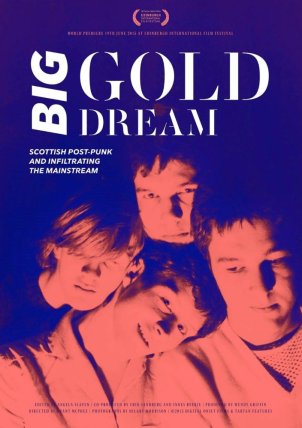


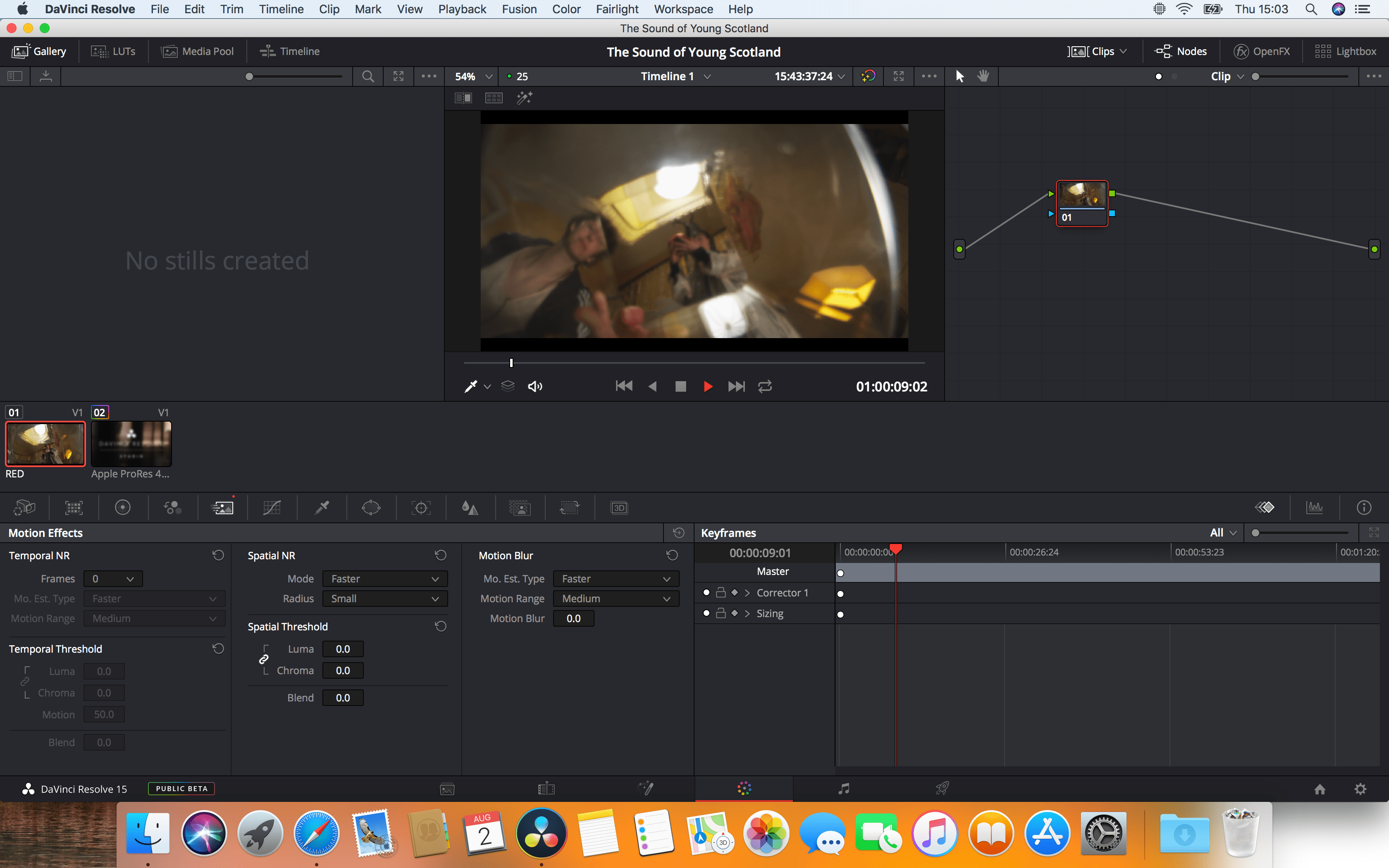

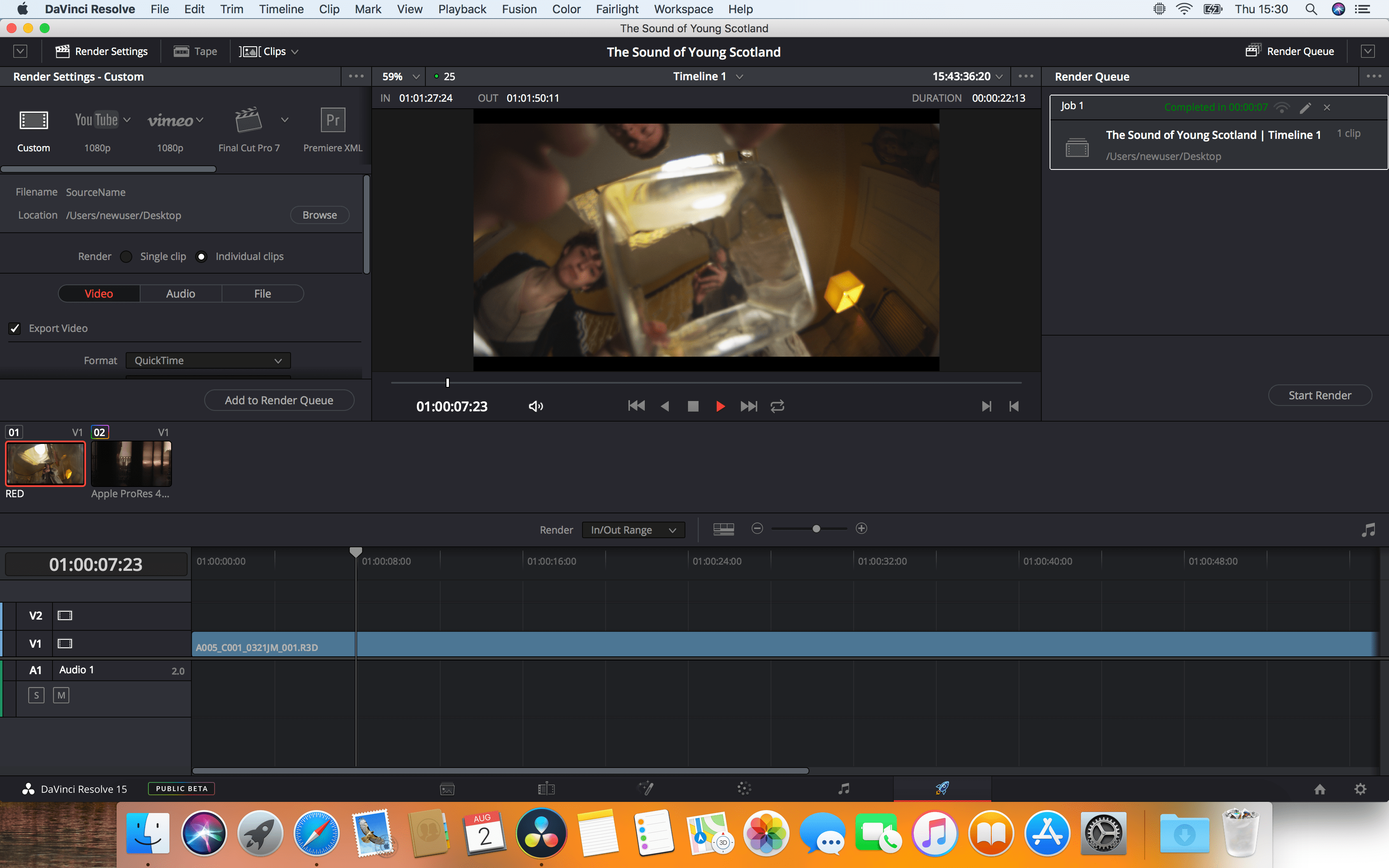
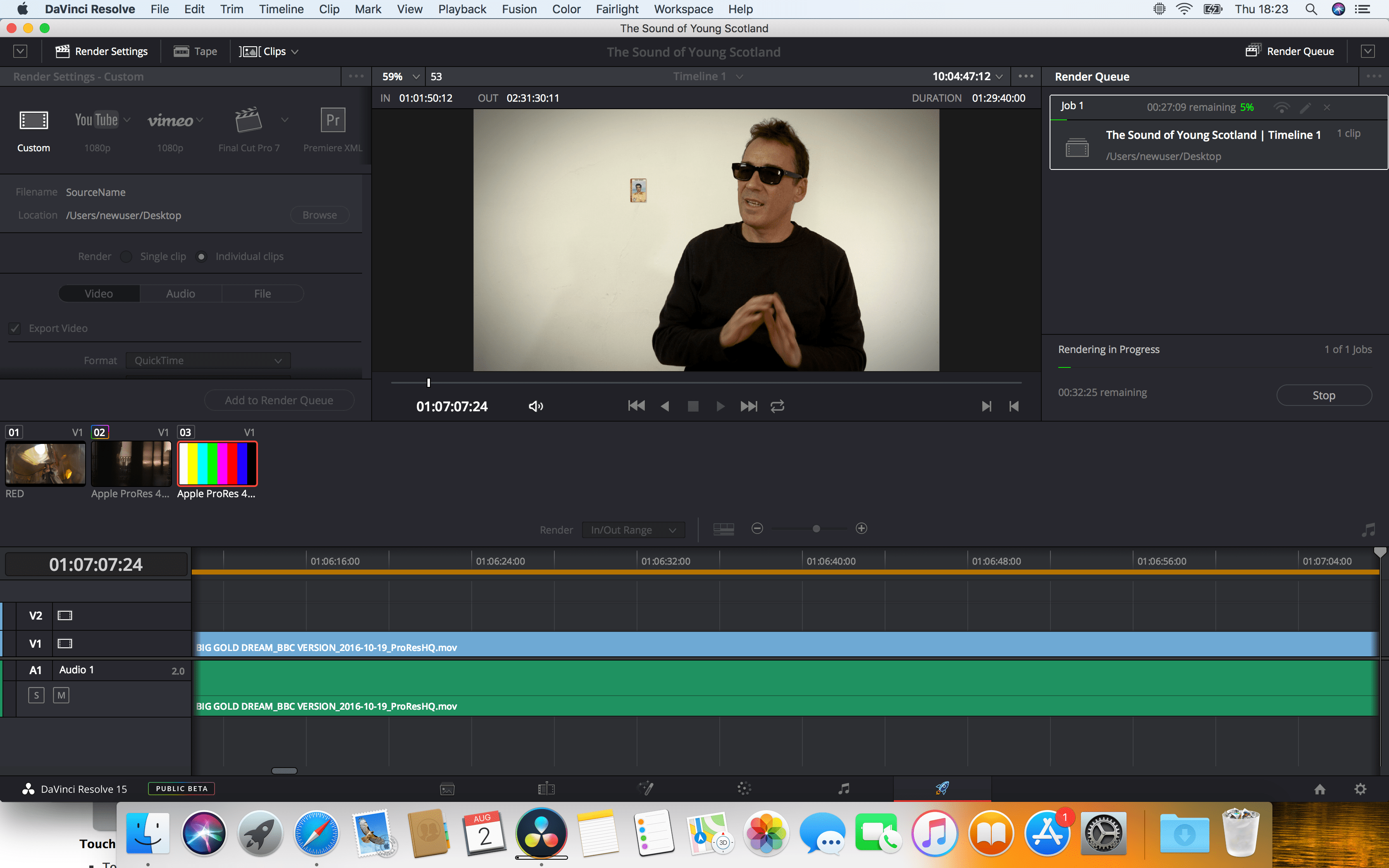

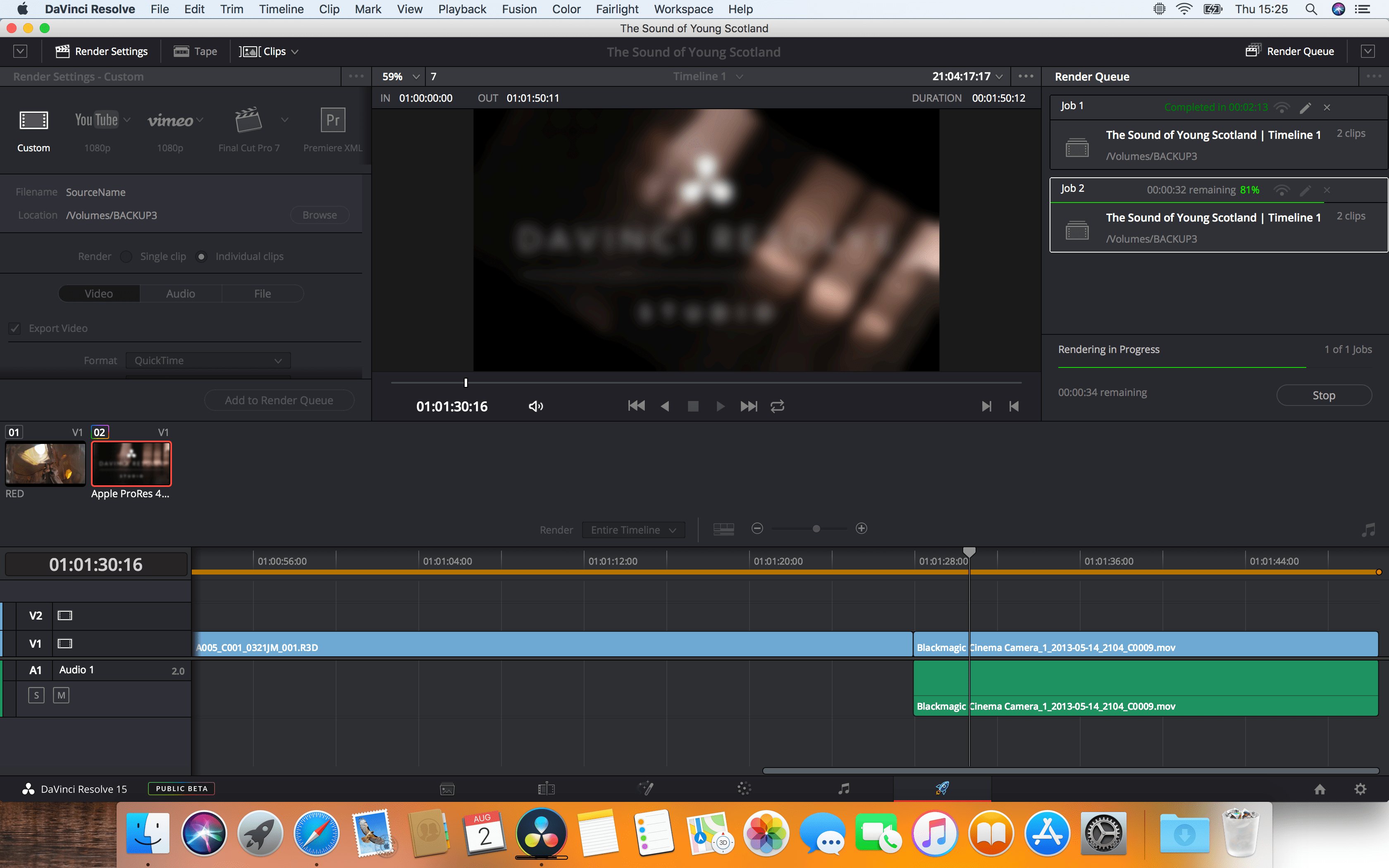


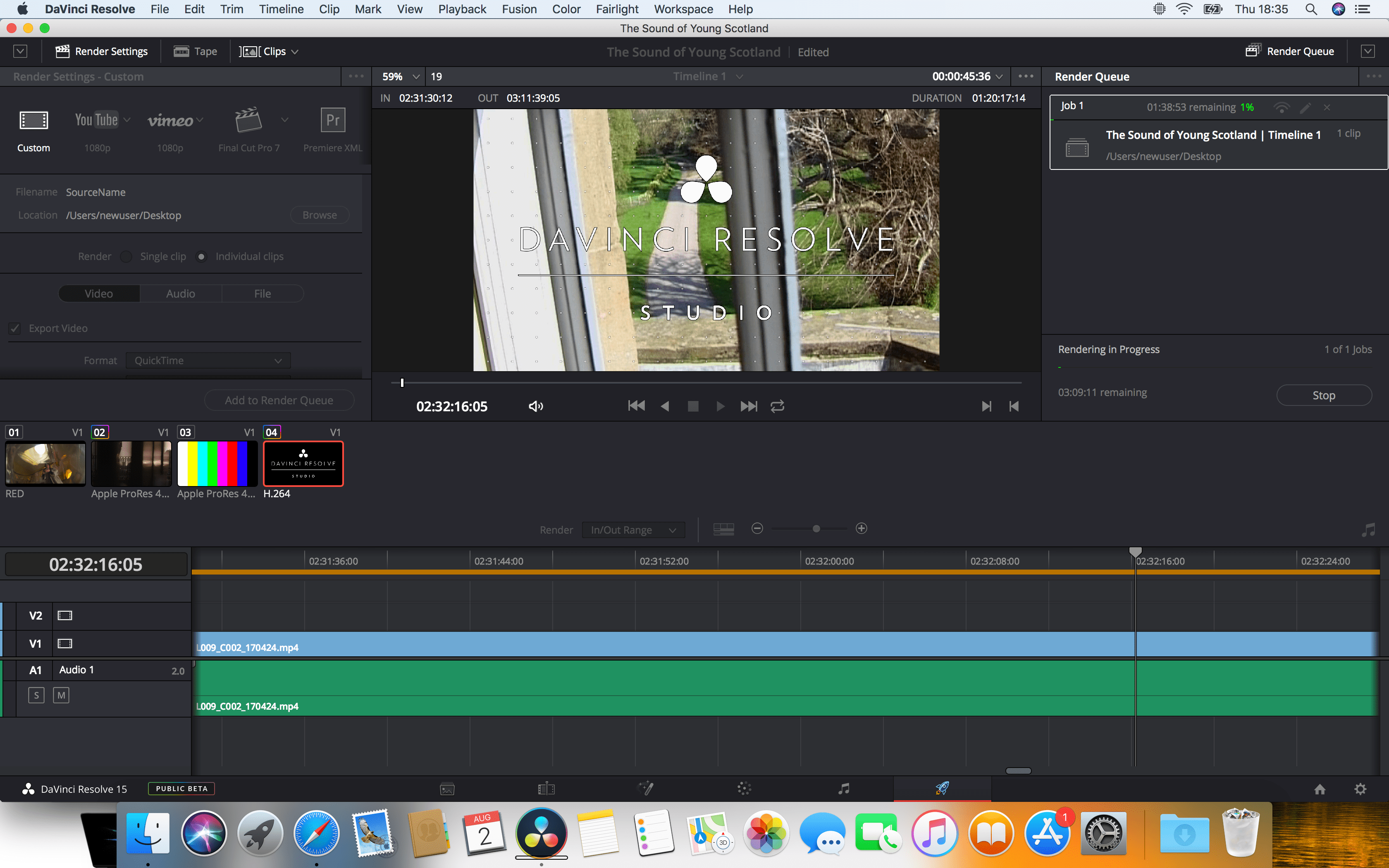

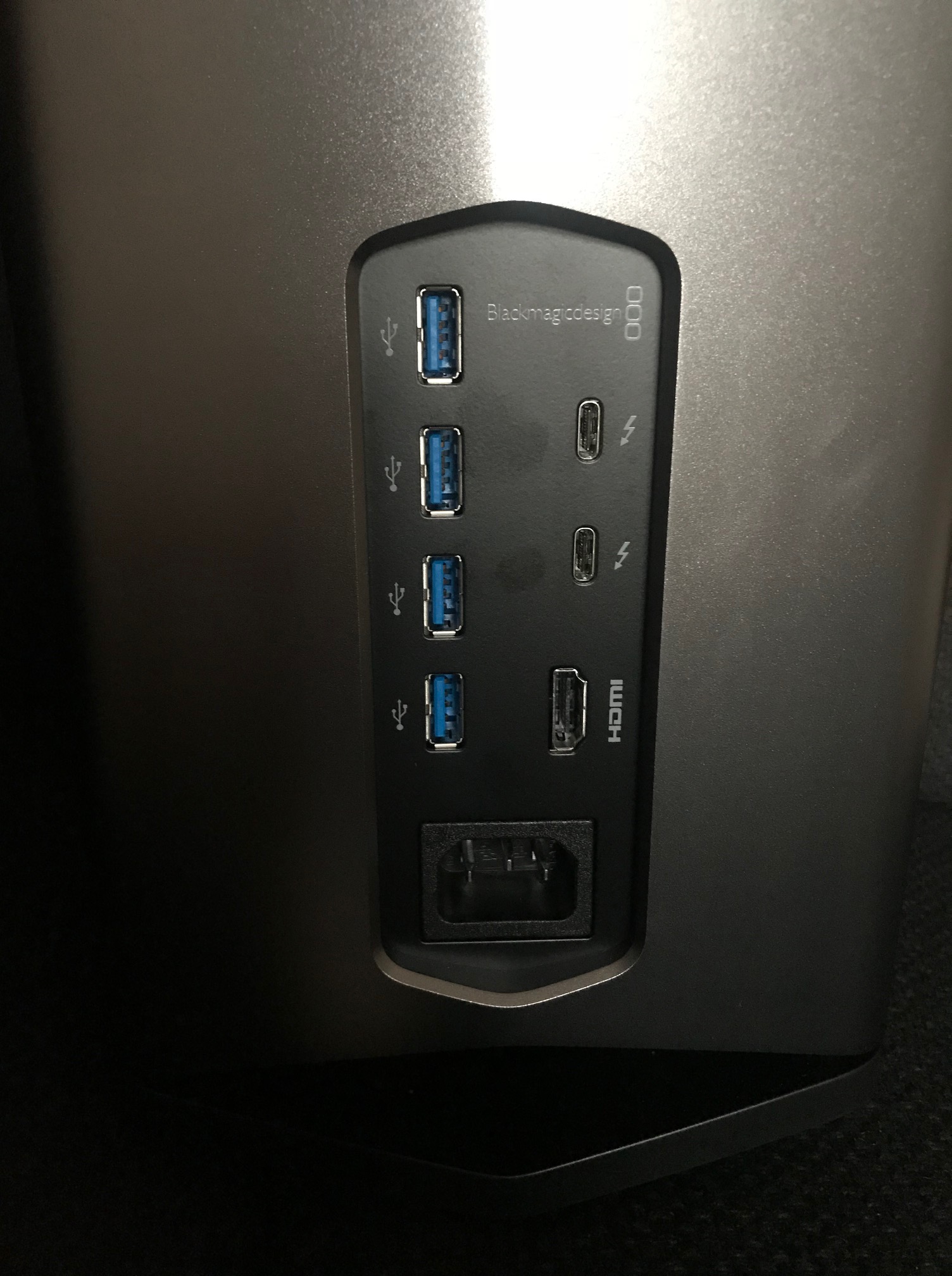

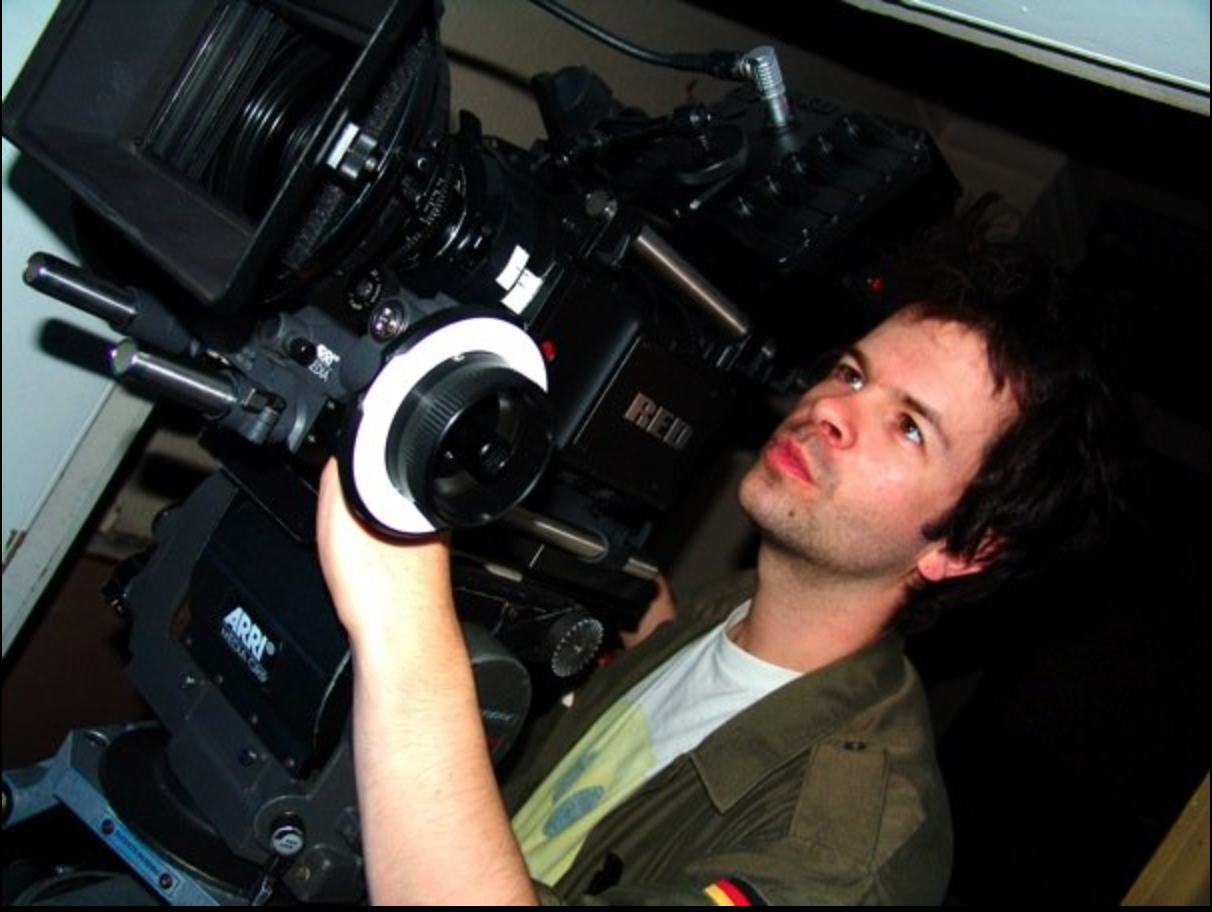

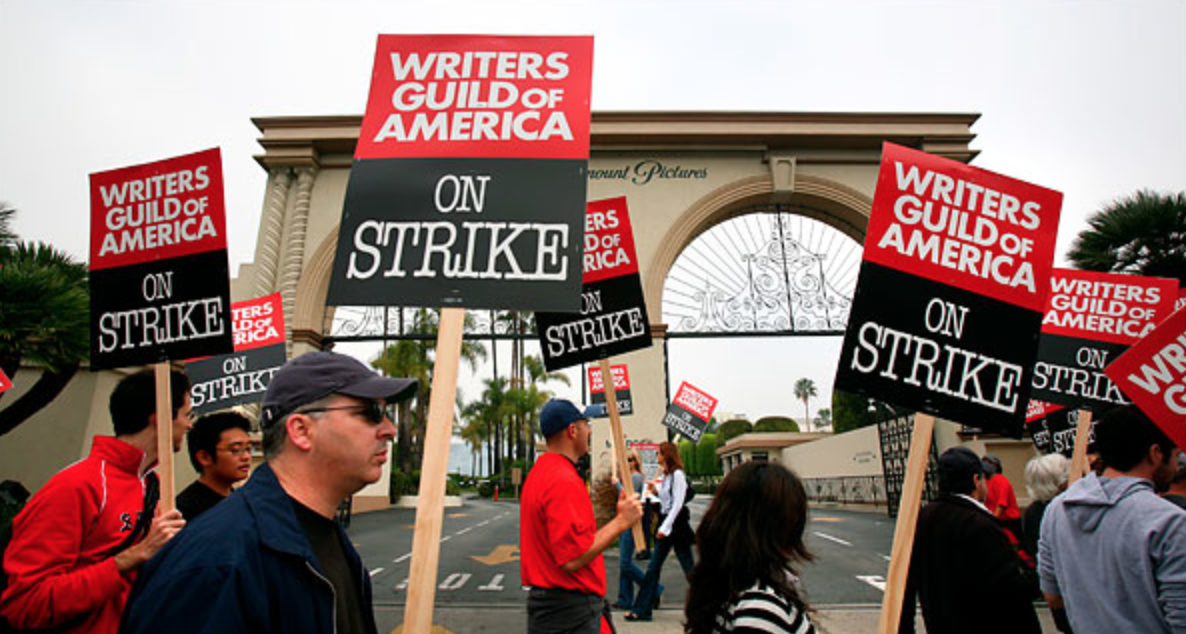
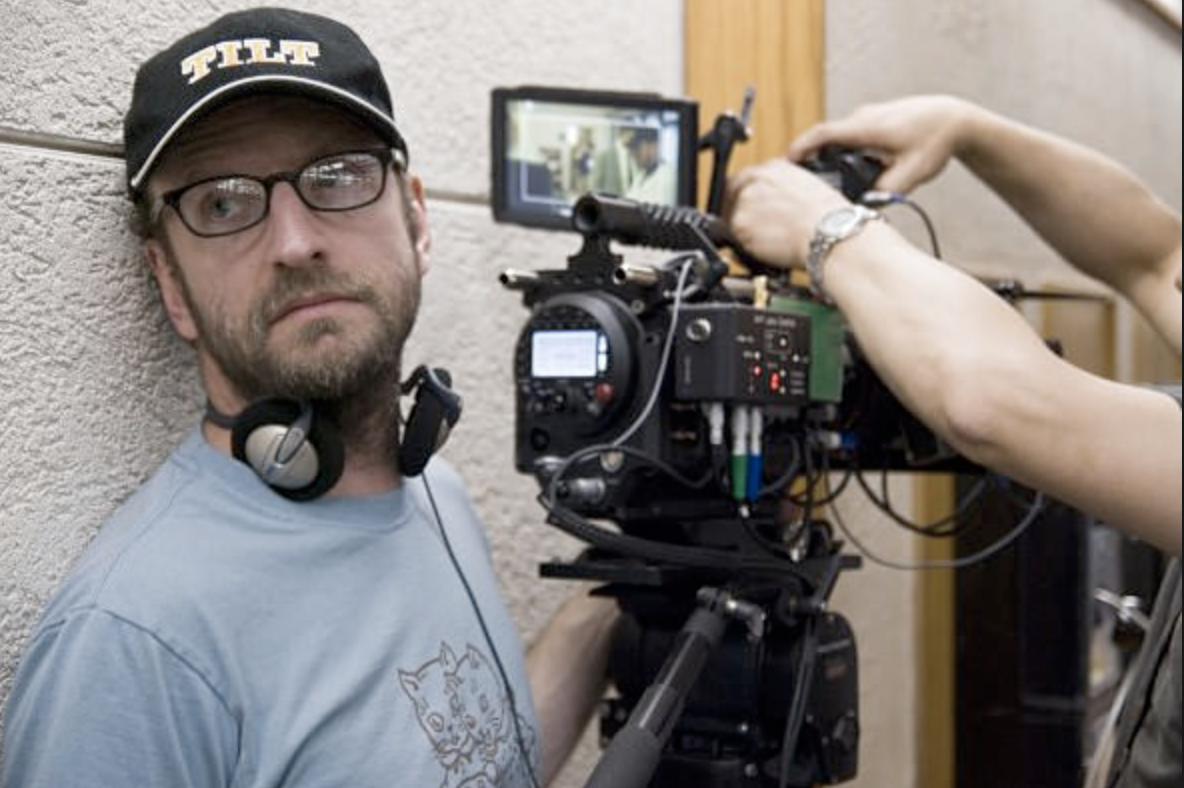

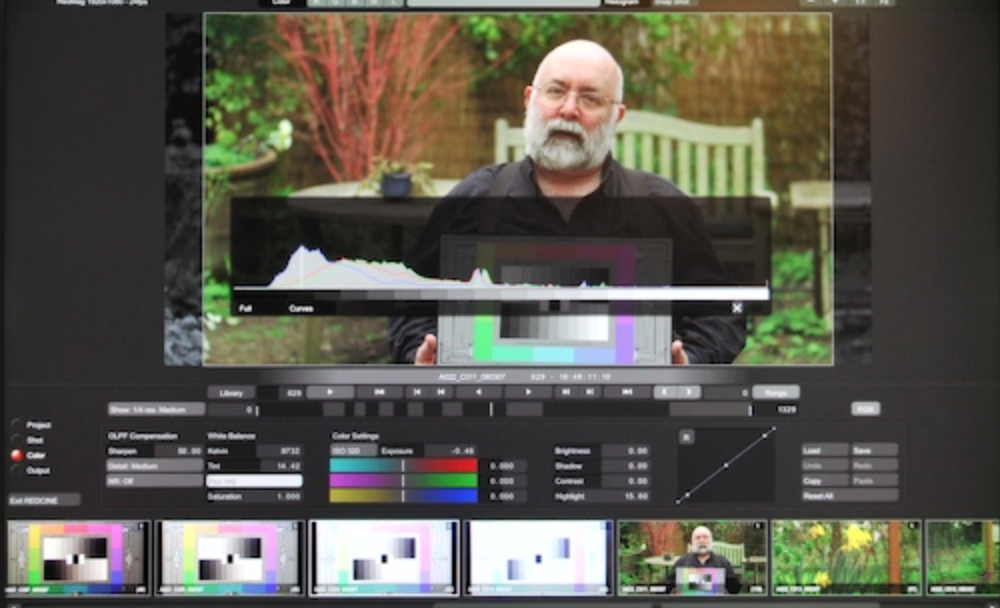

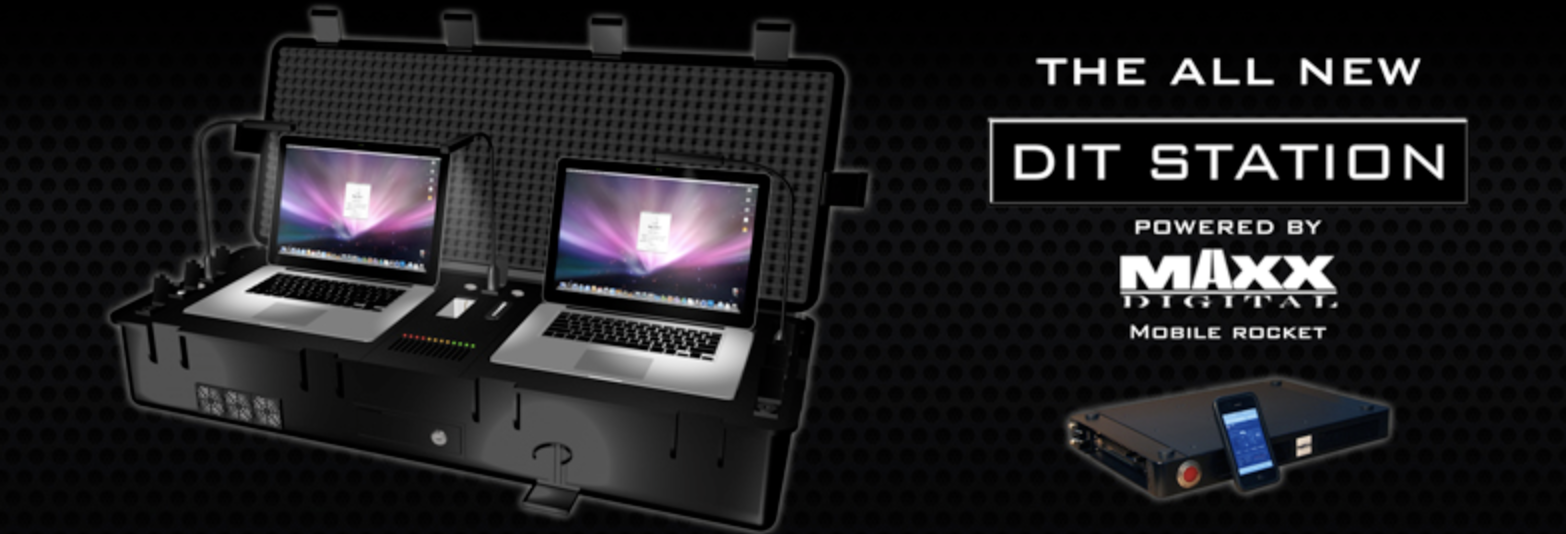
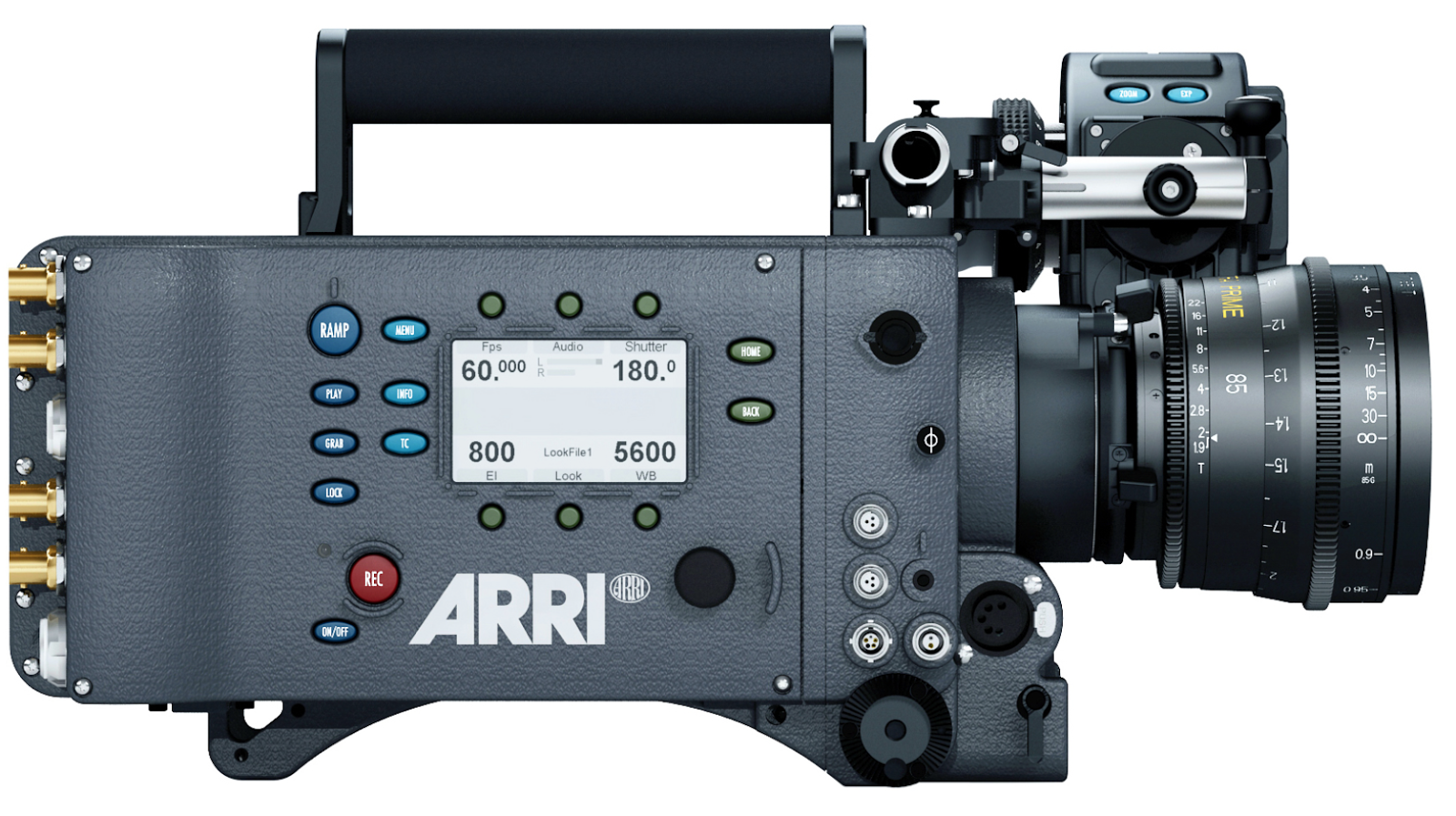
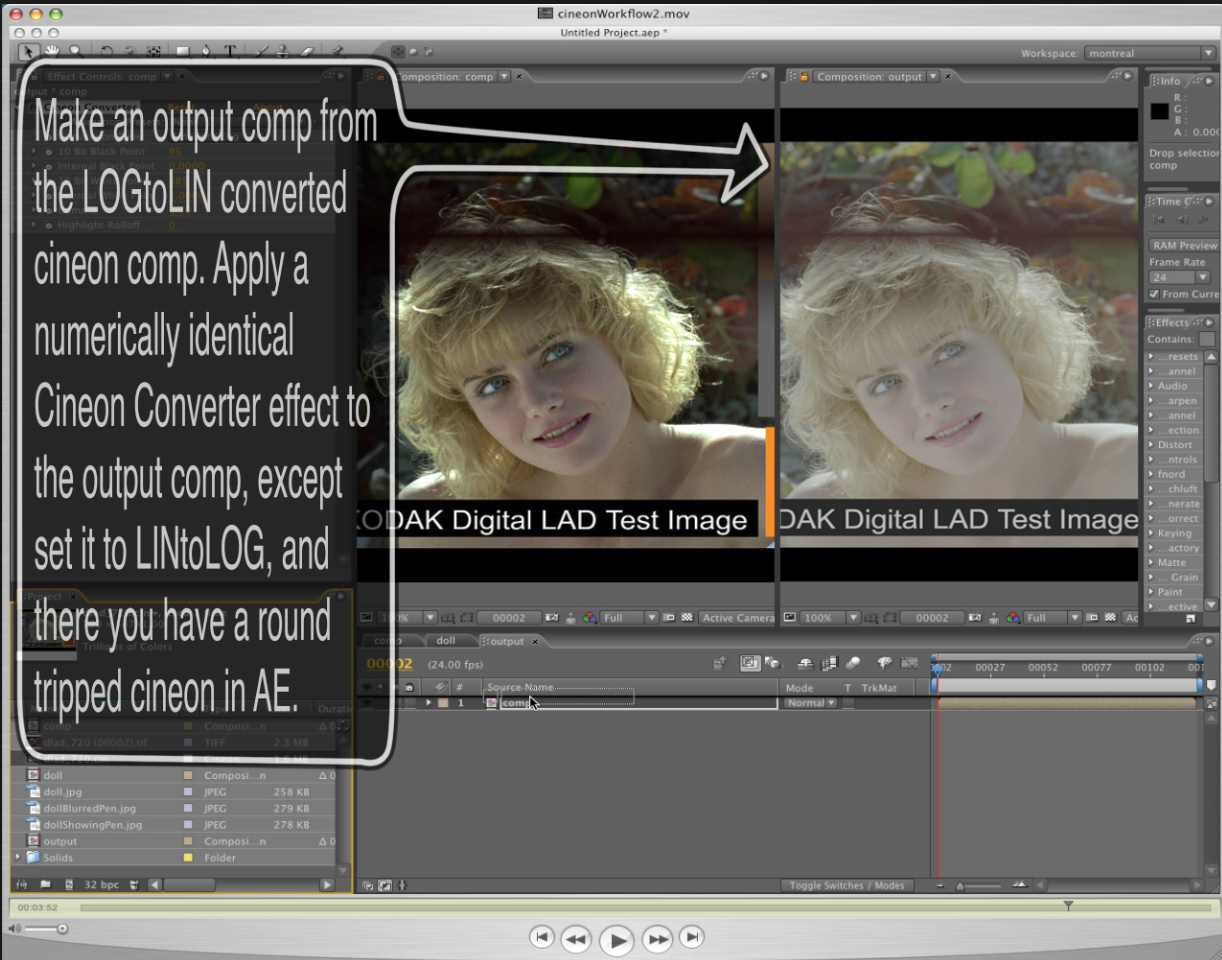
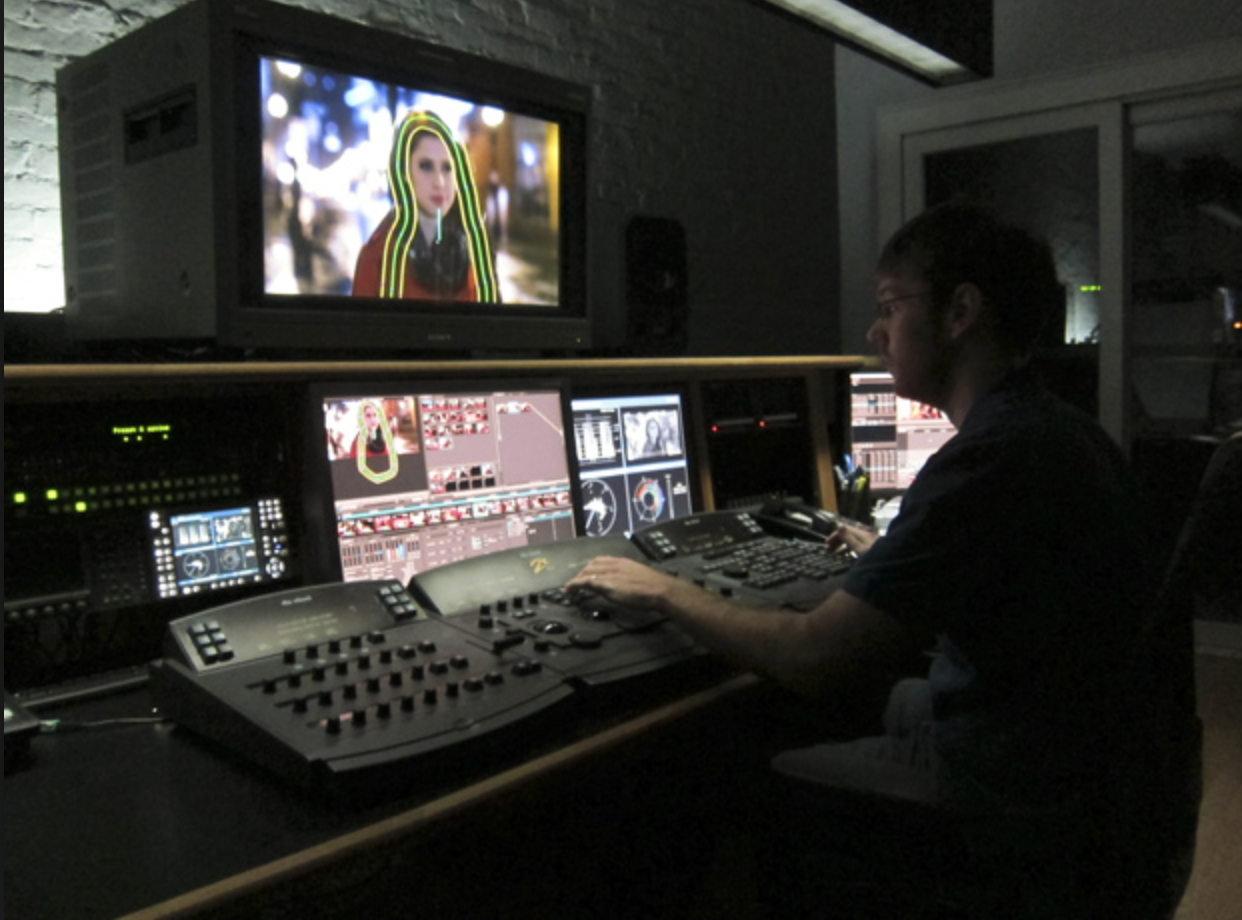

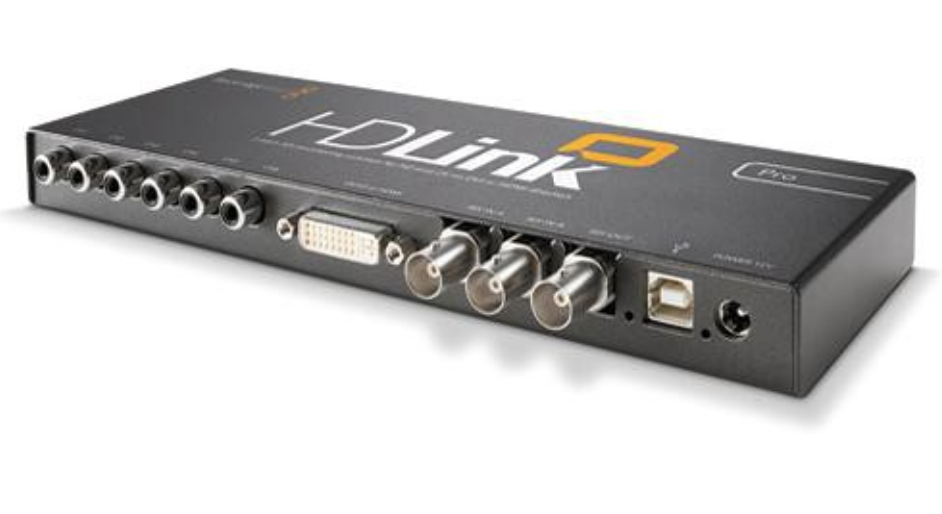
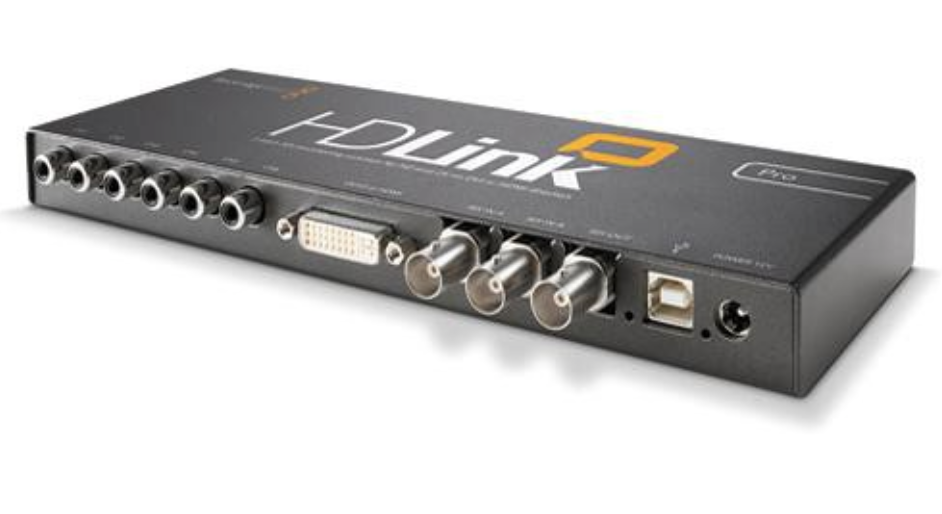

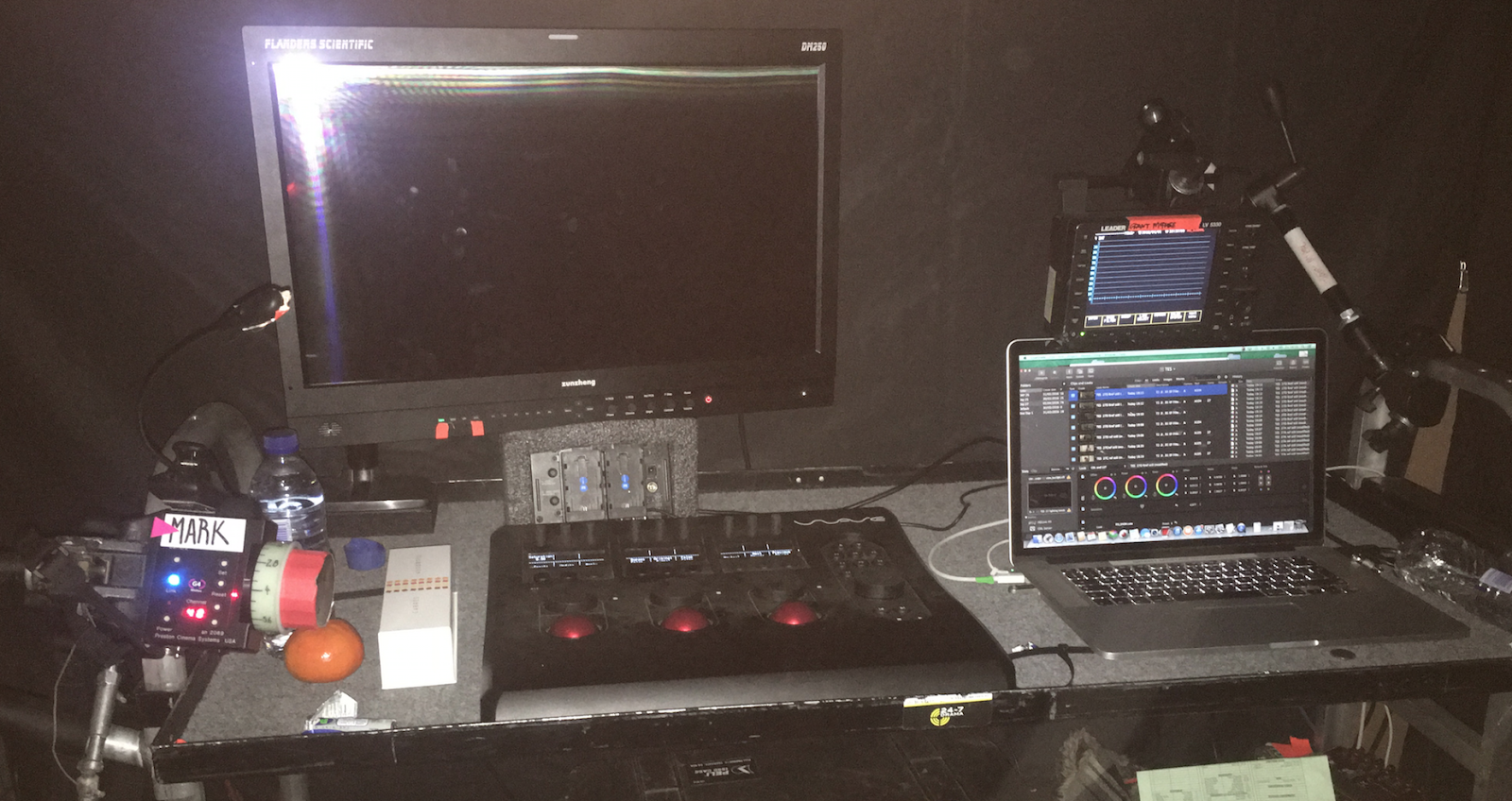
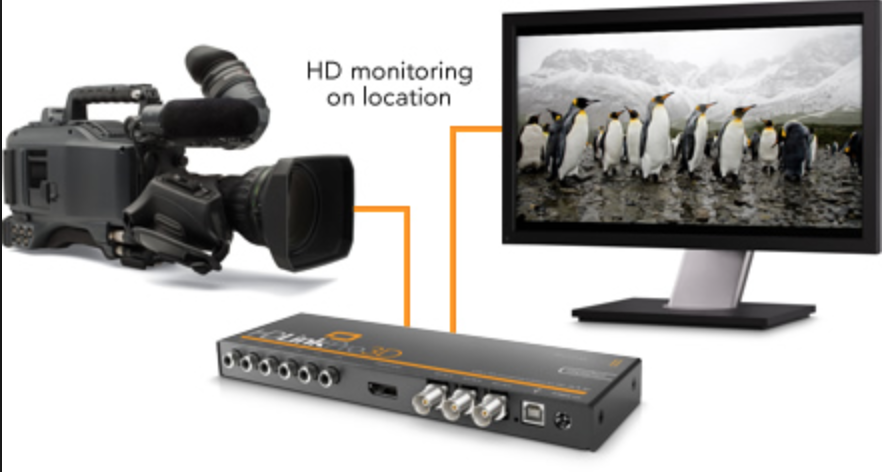
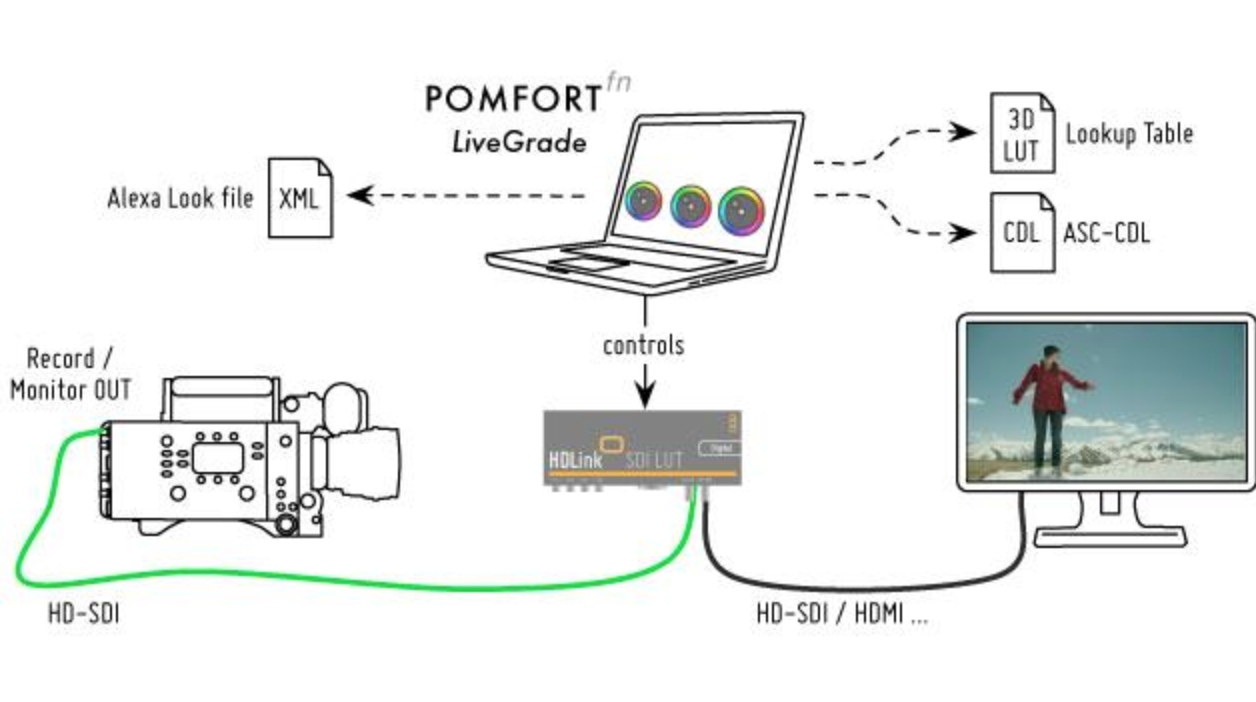


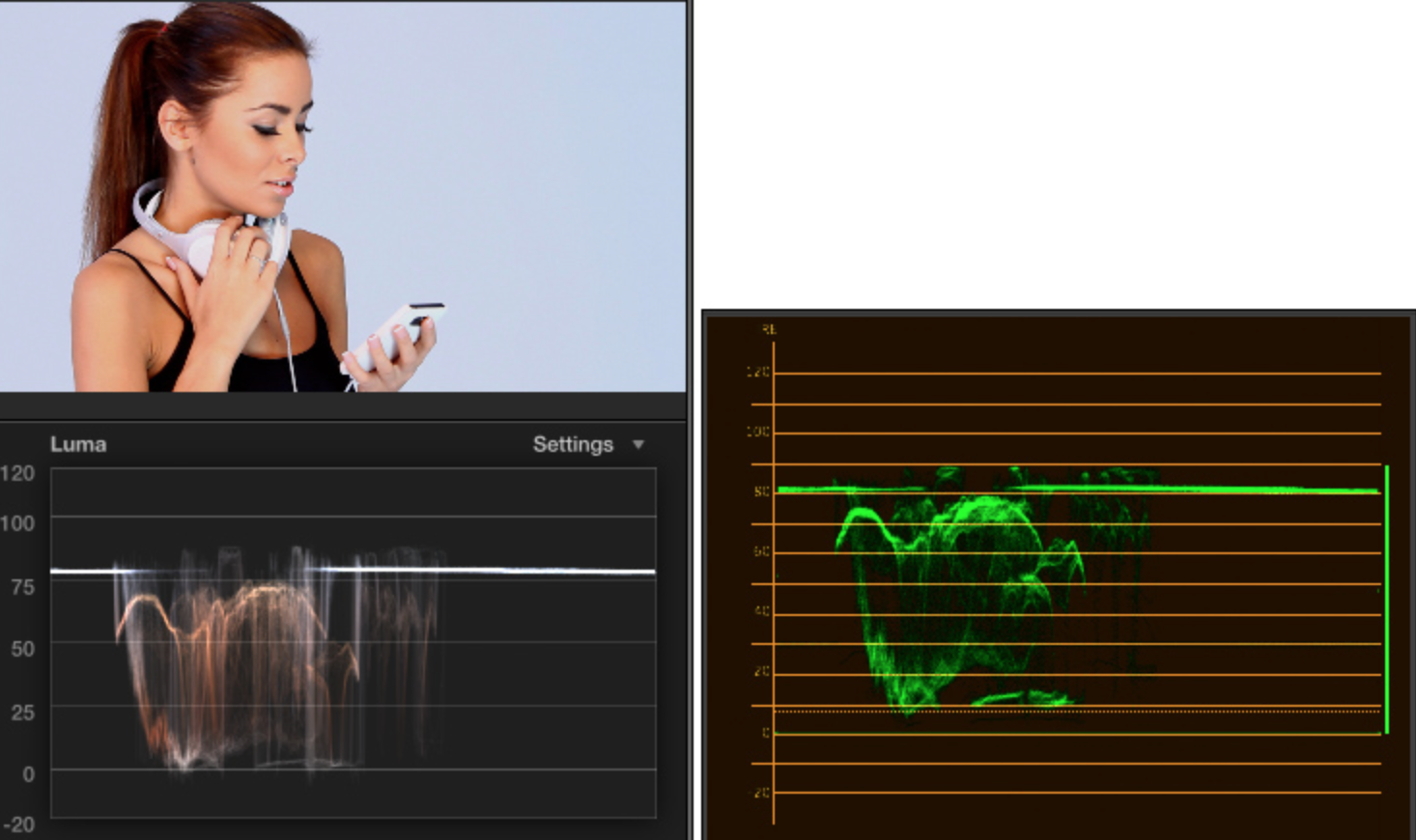


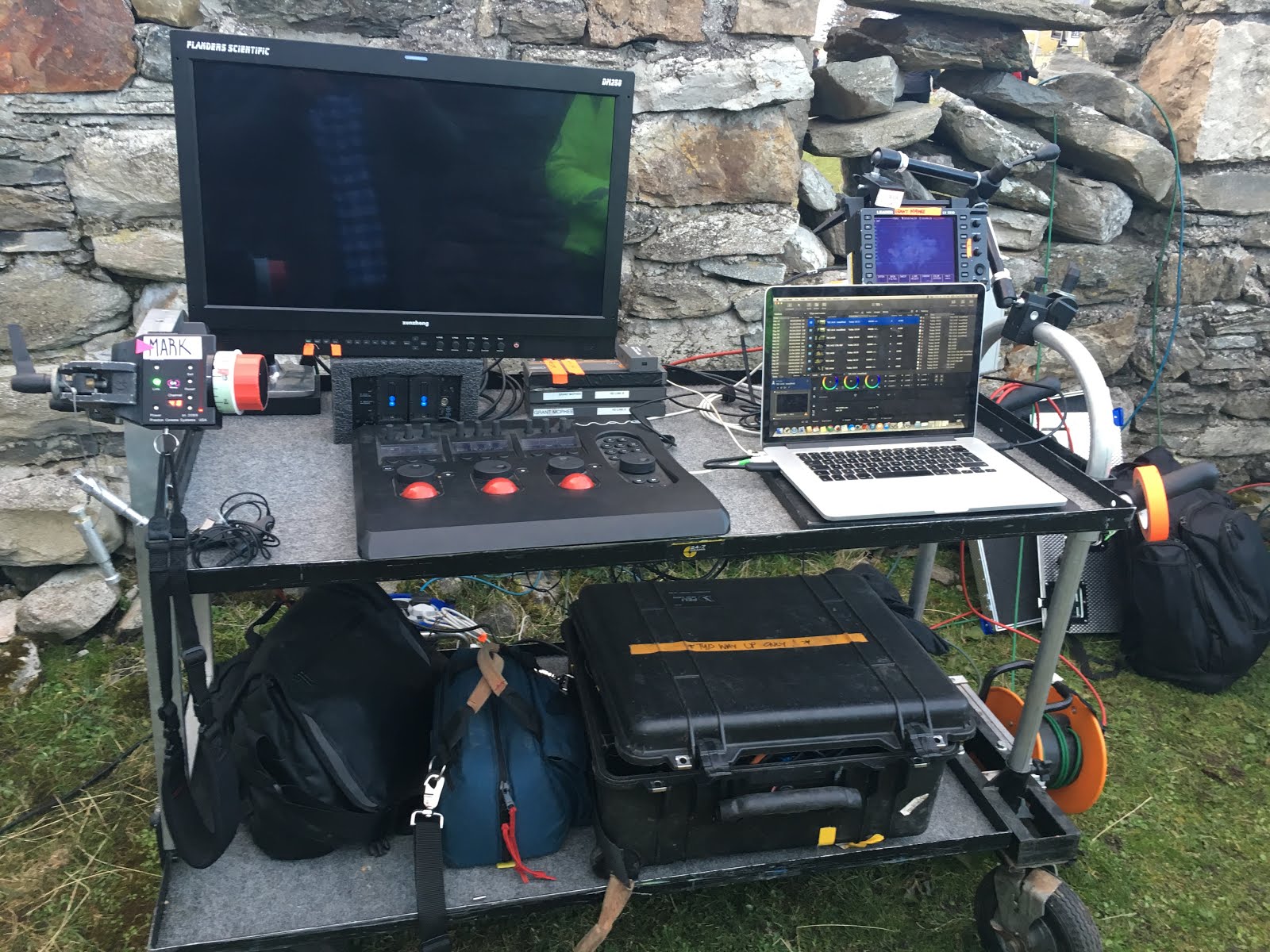
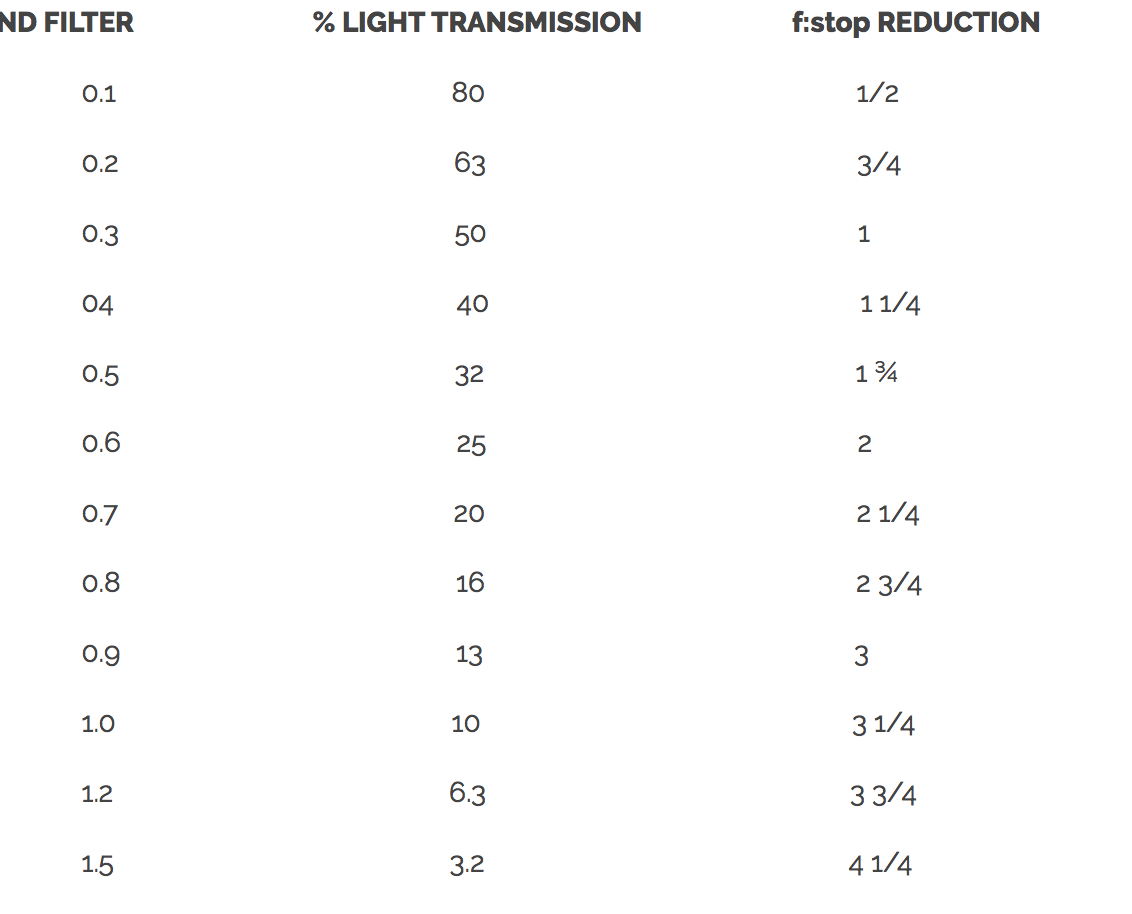
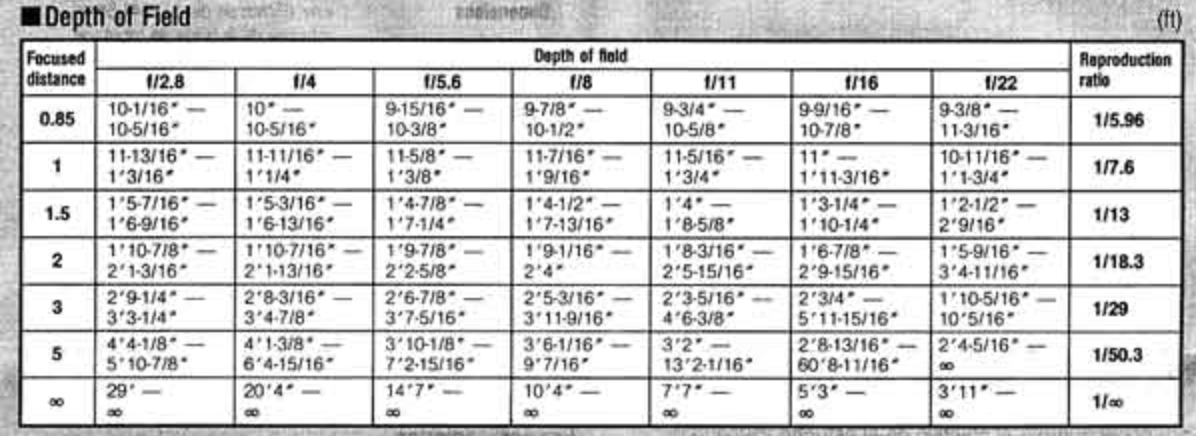


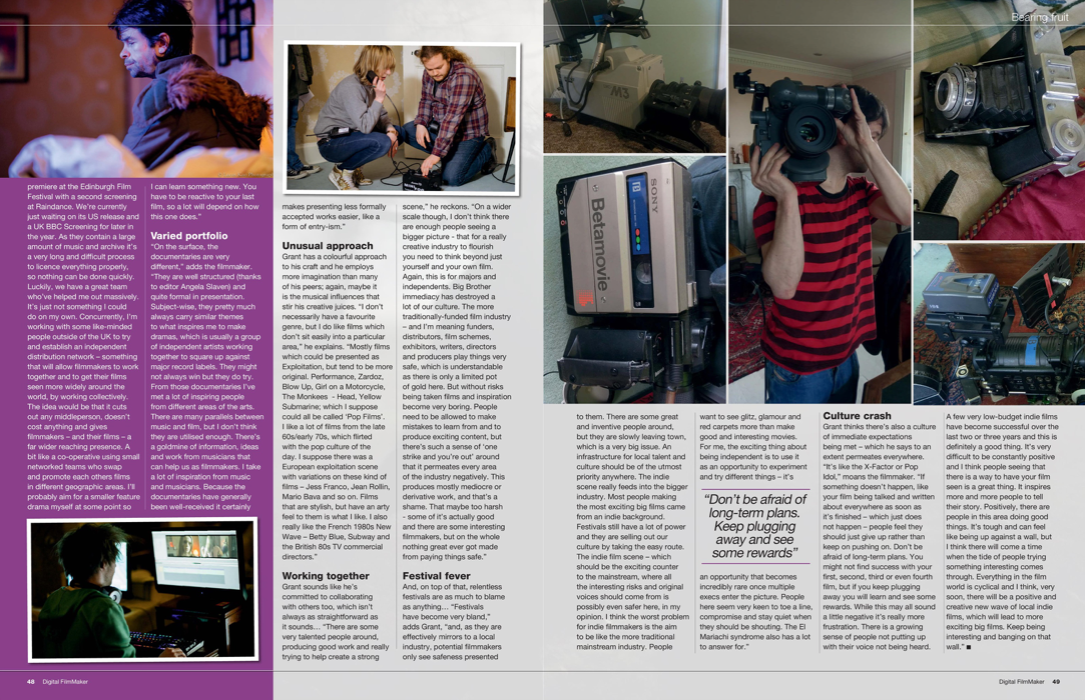
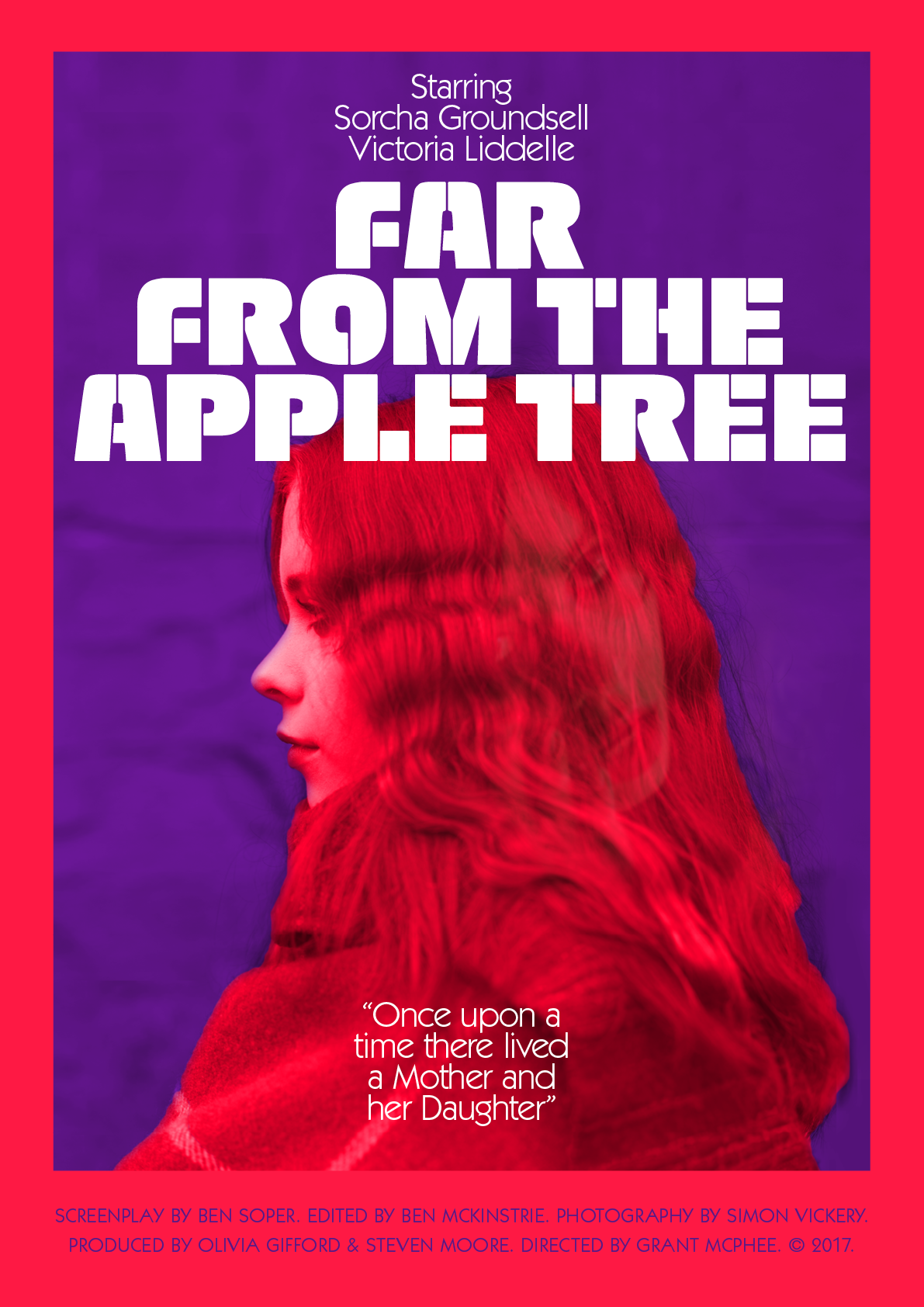
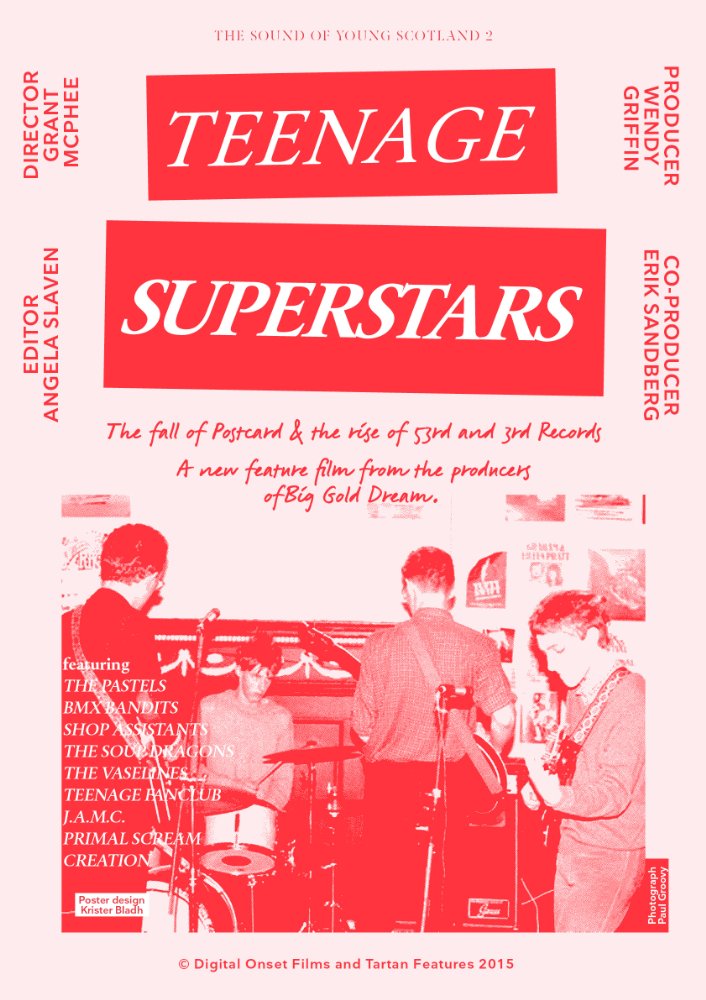
 Grant McPhee Director
